See these stories, quotes, and more in the MGO Cannabis 50.
Garden Society
Though native to California — more specifically, Wine Country — in 2022, Garden Society executed a capital raise that will help it expand its footprint across more of the United States. Amid a historically tight capital market, this company was unafraid to live its diversity ideas and baked a unique set of conditions into its raise. In the end, it secured a $7 million Series A, including an oversubscribed Special Purpose Vehicle comprised of strategic female investors and BIPOC angel investors. With the surge of capital in hand, this female-owned and -led operator plans to lean into its mission of catering to the power women play in educating and driving the acceptance of cannabis It has continued their mission in earnest, already expanding into Ohio and New Jersey.
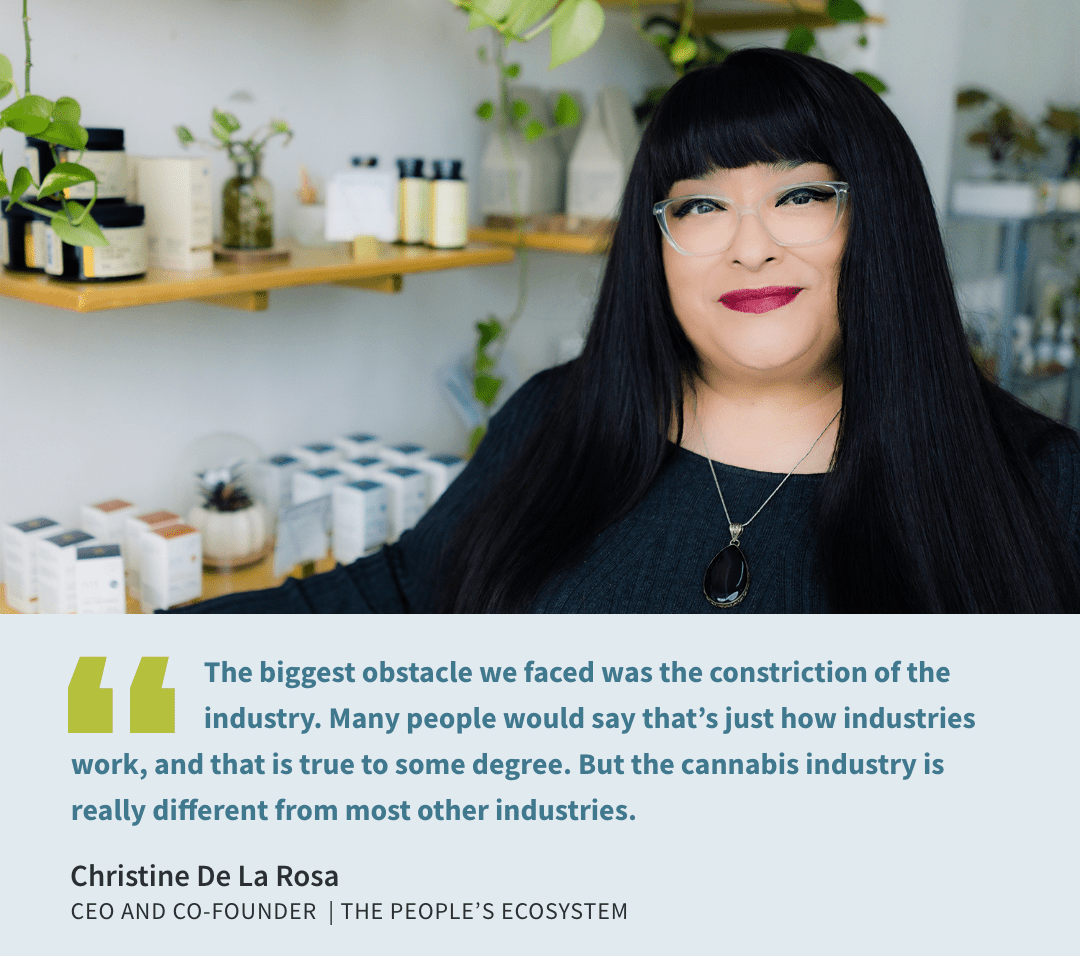
Christine De La Rosa
As a Latina woman whose company, The People’s Ecosystem’s, leadership is primarily comprised of people of color and women, Christina De La Rosa understands how important it is to challenge stereotypes and speak directly to underserved minority consumers. She’s been tireless in her pursuit of widespread diversity, equity, and inclusion, advocating for BIPOC cannabis representation, as well as more easily accessible capital. The founding and managing member of The People’s Group, founder of The People’s Dao, and The People’s Ecosystem, she also serves on the California Cannabis Advisory Committee and the New York Cannabis Industry Association Special Advisory Group for Social and Economic Equity and Social Justice.
Vangst (Karson Humiston)
Hiring qualified talent has always been difficult in the cannabis industry — especially in tight labor markets like the one in 2022. And Vangst understands the complications that can arise when trying to staff a rapidly growing industry. The Denver-based company matches short-term and full-time workers with job openings at cannabis companies around the country. Vangst focuses on more than simply providing labor; the organization prides itself on building a network, as well as communities, of its employees in the greater scope of the industry. Its annual Cannabis Industry Salary Guide is an essential resource for human capital management. In 2022, it explored new ground and released the LGBTQIA+ Representation in Cannabis Report, leveraging its insights in staffing to show where the industry is improving and where it can close the gaps.
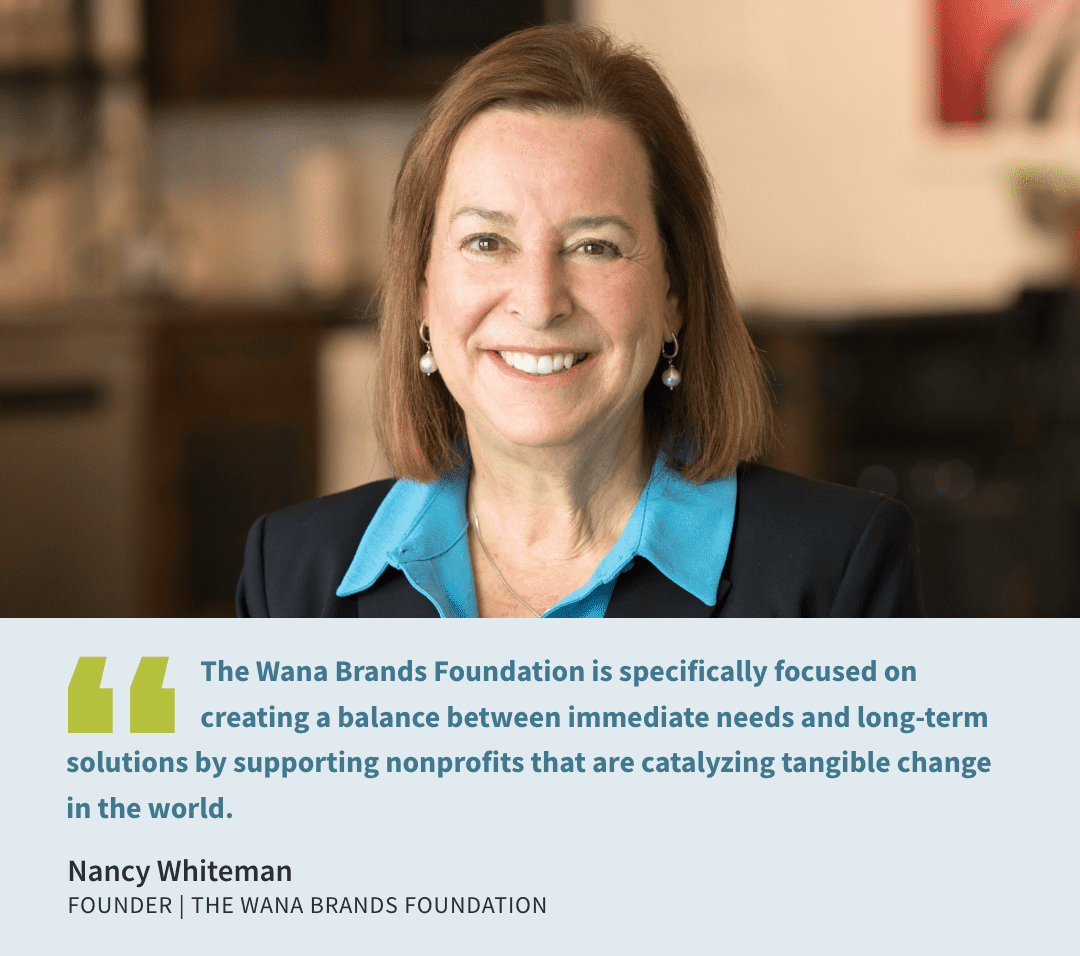
Nancy Whiteman (The Wana Brands Foundation)
When cannabis titan Canopy Growth Corp. acquired Wana Brands for a whopping $297 million, CEO Nancy Whiteman wasted little time in putting those funds to a greater use. With the launch of The Wana Brands Foundation, Whiteman is making a major impact. In November 2022, the Foundation announced its most generous donation yet: $3 million to Johns Hopkins University to conduct extensive research on the therapeutic benefits of cannabis and psychedelics, including for autism. The Wana Brands Foundation also made additional gifts to Out Boulder County’s “We All Belong” campaign; 16 Colorado organizations working to end hunger in their communities; nonprofits focused on social justice, including the Reentry Initiative, Last Prisoner Project, Expunge Colorado, and National Expungement Works; and research and education organization Realm of Caring.
Women entrepreneurs forging a path
While the cannabis industry hasn’t traditionally seen many women leaders getting involved, it’s clear many are now paving the way with a vision for a better future — and the progress they’ve already made is tangible. We work to honor their contributions as we celebrate the entrepreneurs, visionaries, educators, and philanthropists currently making history in cannabis.
Minority disruptors are innovating and changing the cannabis industry with one distinct thing in common: perseverance. While the road to success hasn’t been easy, we’re proud of the work these leaders have done against the challenges they’ve faced. Go here to learn more about the Cannabis 50.
]]>See these stories, quotes, and more in the MGO Cannabis 50.
Sean “Diddy” Combs
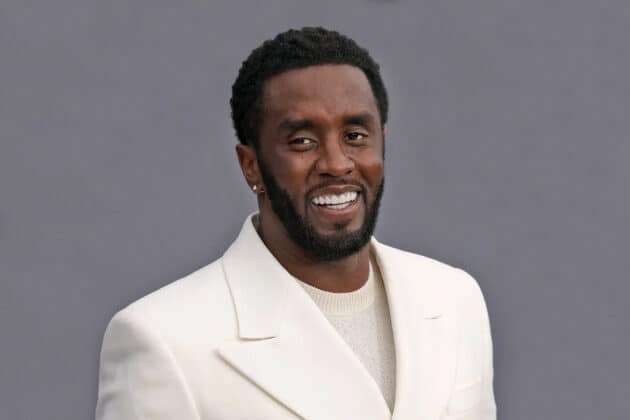
Sean “Diddy” Combs created the largest Black-owned cannabis company in the world when he and his company, Combs Global (formally Combs Enterprises) purchased licensed cannabis operations in New York, Illinois, and Massachusetts from Cresco Labs and Columbia Care for approximately $185 million. The deal includes retail stores and production facilities. Touted as the “first minority-owned, vertically integrated multi-state cannabis brand,” the big move has the potential to shape how the industry approaches consolidation. This only helps Combs pursue his mission of creating opportunities for Black entrepreneurs in industries where they’ve previously been denied entry. By owning the entire process from cultivation to wholesale distribution, he hopes to “empower diverse leaders throughout the ecosystem,” and act as an advocate for inclusion across the board.
Cannaclusive
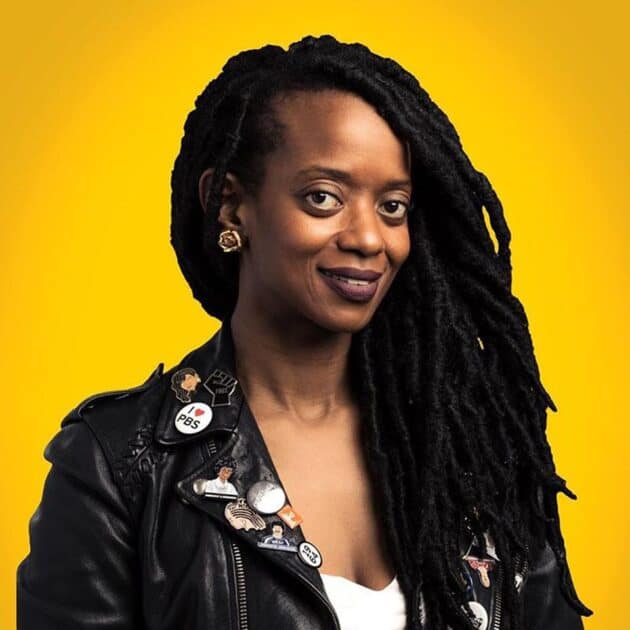
There are few more passionate about inclusivity and social justice in cannabis than the leaders at Cannaclusive, who work to facilitate fair representation of minority cannabis consumers and help brands communicate with diverse audiences. Launched in 2020, the Accountability List and Cannabis for Black Lives work to address gaps in equity within the industry and highlight cannabis companies that have consistently delivered on their commitments to increasing BIPOC diversity and inclusion. In 2022, Cannaclusive, alongside Jasmine Mans of Buy Weed from Women, launched the CLIO Award-winning miniseries ‘Flowers for Mom,’ which shone a spotlight on the relationship between mothers and daughters. The organization also became partners with Tricolla Farms, a woman owned NYS CAURD cultivator. To “celebrate the culture of this thriving community,” Cannaclusive empowers minority cannabis consumers and operators by providing a voice and a platform for change.
Viola Cares
Former NBA star Al Harrington’s Viola Brands is an example of how to leverage celebrity power into a thriving cannabis brand. As his company grows, he hasn’t forgotten to give back to where he came from. He organizes charitable efforts through Viola Cares, a program that focuses on community engagement and support as it works directly with local and national organizations committed to reinvesting into communities hit the hardest by the war on drugs. Harrington has built Viola Cares to provide immediate support and resources to those in need, shape local cannabis industry policy, tackle social justice reform, and assist those with a criminal record with expungement and successful reentry into society.
Big Freedia
The proclaimed ambassador of New Orleans Bounce music, Big Freedia has elevated herself as a hip-hop artist, cultural influencer, and TV personality. Now, she’s seeking more ways to “get elevated” – this time, as a cannabis entrepreneur with the launch of Royal Bud, a premium cannabis line with fun product strains like Mardi Grass and Release Ya Wiggle. Why cannabis? Well, Freedia knows a lot of the biggest brands in the industry aren’t comprised of people who “look like her, like what she likes, or stand for what she stands for.” As a proud advocate for racial and gender equality, as well as LGBTQ+ rights, Freedia believes “anyone can be royalty,” and her brand, launched in August 2022, supports that mindset with a culture of inclusivity and positivity.
Wiz Khalifa
Multi-platinum selling, Grammy and Golden Globe nominated recording artist Wiz Khalifa’s first major label debut album was titled ROLLING PAPERS – he’s long supported cannabis publicly. Since then, he’s created a mobile app called Wiz Khalifa’s Weed Farm, which has more than 10 million downloads, and he’s stayed a steady advocate for a smoke that “stays true to the flower.” In 2015, he launched Khalifa Kush (KK), a strong balanced strain that allows everyone to “smoke like Wiz.” In 2022, he partnered with Trulieve to release KK in Florida, which expands his cannabis brand’s reach to nine different states.
Lil’ Kim
Known as a legendary artist who ruled hip hop to become the first female rapper to have a No. 1 single on the Billboard Hot 100, Lil’ Kim can now claim a new title: cannabis entrepreneur. In 2022, she disrupted the male-dominated cannabis industry by launching a designer line of strains called Aphrodisiak. The brand’s products were hand-selected and developed with Kim’s input, ensuring the passion her fans know her for is infused in each one. Credited with helping to open audiences up to the appeal of cannabis in her early music, she has long defied its stigma. Her company is poised to span the country, and, eventually, the globe, as she furthers her mission to: “Empower other women to be bold, courageous, triumphant and superbad.”
Stephen Marley
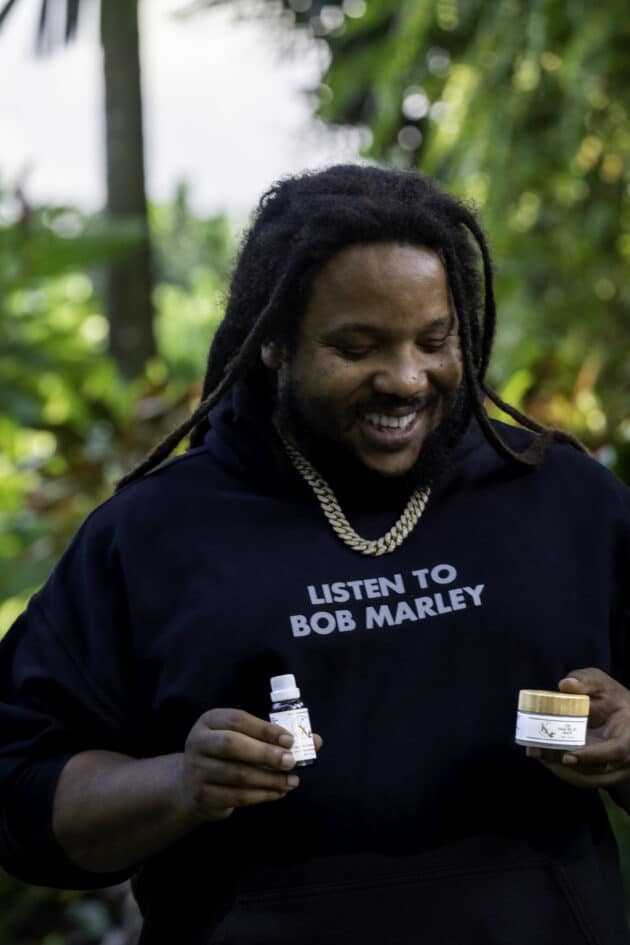
Founded by Stephen Marley and CEO Shelly O’Neill, Kx Family Care is the first all natural hemp-based personal care brand that’s safe and effective for the entire family. In the tradition of Stephen’s family legacy to teach about all the many uses of the hemp plant, Kx Family Care was a natural progression for the eight-time Grammy Award winner. Kx Family Care is a branch of Kaya Lifestyle, a conglomerate also owned and operated by Stephen Marley. Kaya Fest is the hemp education festival branch dubbed “The Annual Marley Family Reunion” where all things come together!
TYSON 2.0
Legendary boxer, entrepreneur, and cannabis advocate Mike Tyson recently announced his premium cannabis brand, TYSON 2.0, is collaborating with dompen and #BREATHEWITHME to support social justice initiatives. The group launched limited edition all-in-one vape pens and one-of-a-kind apparel and art. All proceeds are headed to #BREATHEWITHME’s nonprofit partner New Earth Life. This is the latest venture that demonstrates TYSON 2.0’s commitment to further social justice initiatives and building an equitable world. Also in 2022, TYSON 2.0 raised a series A specifically to expand its celebrity portfolio: and it worked. The company announced it was coming together with pro wrestler Ric Flair’s cannabis company, Ric Flair Drip, and four-time world heavyweight champion Evander Holyfield’s Holy Ear’s THC products, under a new parent company called Carma HoldCo.
Montel Williams
Veteran and media personality Montel Williams was diagnosed with multiple sclerosis in 1999, and the painkillers he was prescribed nearly gave him an opioid addiction. It wasn’t until 2001 when his doctor suggested cannabis that he realized the plant’s benefits. This started a 21-year fight for widespread patient access to medical cannabis. Montel even spoke in front of state legislatures all over the country, long before medical marijuana was a popular political issue, to remove the stigma. His advocacy eventually inspired him to partner with Taunton Freshly Baked Company to create a new cannabis brand, Inspire by Montel. Announced in April 2022, the brand makes THC and CBD blended vape cartridges to help people with chronic pain.
Black entrepreneurs leading the way
We recognize that the cannabis industry was founded and built by many Black people with a vision for a better future. We work to honor their contributions as we celebrate the entrepreneurs currently making history in cannabis.
The minority disruptors innovating and changing the cannabis industry all have on thing in common: perseverance. While the road to success hasn’t been easy, we’re proud of the work these leaders have done against the challenges they’ve faced. Go here to learn more about the Cannabis 50.
]]>Publicly traded and based in Chicago, Cresco Labs Inc. is the leading wholesaler of branded cannabis products in the United States for 2021. Consistently earning the top spot on the BDSA top-five brand list, the company has operations in ten states where marijuana has been legalized for adult and medical uses, as well as a diverse array of products to meet its customers’ needs and the ability to place these products on its owned retail and third-party shelves, increasing accessibility. We sat down with Charlie Bachtell, the founder and CEO of Cresco Labs, to learn more about how he transitioned from the mortgage banking industry to the cannabis industry, what landed on Cresco’s biggest highlights of 2021, and how he thinks the industry needs to evolve in 2022.
MGO: How long have you been involved in the cannabis industry? What inspired you to get involved with cannabis?
Charlie Bachtell, Founder and CEO of Cresco Labs: We founded Cresco Labs in 2013 after I spent a decade in the mortgage banking industry watching it go from unregulated to hyperregulated overnight because of an economic downturn. Its regulatory framework was structured state-by-state. Illinois was different than California, which was different than New York. At that time, the mortgage industry had a ton of negative stigmas associated with it—and it mandated that businesses like ours focus on an executive business model heavily rooted in compliance and simply doing the right things. This included transparency and building trust with your customer base—all under the umbrella of absolute guidance with regulations.
I read the guidelines and application process for Illinois’s pilot cannabis program, and I realized it mirrored the industry I currently worked in! Cannabis, too, was an industry going from unregulated to hyperregulated overnight on a state-by-state basis because laws were state-based and siloed from each other. So, I’d done this before, and I would say most of the lessons, strategies, and experiences I developed in the mortgage banking space gave me a roadmap of exactly how we would be successful in this new industry. I applied what I learned in my previous industry here, and I’m proud of Cresco’s successes thus far.
MGO: The cannabis industry saw several trends emerge in 2021. What do you think was the biggest one for Cresco Labs?
Bachtell: One of Cresco Lab’s biggest themes was executing our vision of strategic breadth and depth in the most strategic states. We expanded our wholesale and retail footprints, which increased our leadership position as the current number one U.S. wholesaler of branded cannabis products. According to BDSA, our Cresco cannabis brand was the top-selling cannabis brand nationwide, and in both Illinois and Pennsylvania, we provide the top portfolio of brands.
Many of our Sunnyside stores around the country continue to deliver revenue exceedingly more than respective state averages, outperforming their fair share of sales. Today, our geographic footprint is comprised of the most valuable states, seven of which are already over a billion-dollar run rate, and five of which are medical markets that are likely to introduce adult use in the near term. Overall, it’s been an incredibly productive year investing in our strategic footprint, and in 2022, we’ll continue investing in our markets to bring our industry-leading portfolio of brands to more consumers.
MGO: What were some of the biggest obstacles you faced in the industry in 2021? How did you manage and overcome these issues?
Bachtell: One of the biggest obstacles for every cannabis company is access to affordable capital. The passage of cannabis policy reforms like the SAFE Banking Act would be a big step forward, allowing for more affordable access to capital, the ability to use credit cards, normalized banking, and the possibility of listing on major U.S. exchanges. These are essential steps for an equitable industry—not just for large publicly traded cannabis companies, but also for private operators who will create the much-needed diversity in this industry. At Cresco Labs, we’ve focused on succeeding under the current regulatory framework while also preparing for what we believe the normalized future framework will look like.
MGO: What were the biggest highlights and most positive changes for Cresco Labs in 2021?
Bachtell: Nearly 70% of Americans now support legalizing cannabis, according to the latest Gallup poll. For the cannabis industry, 2021 saw four states in allowing recreational cannabis: New Mexico, New Jersey, Virginia, and Connecticut. Many states like Ohio and Florida began discussions surrounding legalization, and states like New York expanded existing medical programs, providing greater consumer accessibility to cannabis products. Another highlight was the wealth of discussion and policy ideas in Congress targeted at ending cannabis prohibition—I truly think it’s a matter of when and not if at this point, and I’m excited to be at Cresco Labs at such a pivotal time to witness the laws change in this country. I’m hopeful we can make this a vibrant industry for everyone to be able to participate in.
Cresco Labs has seen the industry growth from a consumer standpoint remain incredibly strong. We’re proud of ourselves and our ability to have a diverse portfolio of products to meet the needs of all consumers—and our ability to get that portfolio on the shelves of third-party stores. In 2022, we’ll keep executing on what makes us successful: a strong product assortment, quality and consistency at each price tier, and a robust innovation pipeline focused on providing customers new and exciting products.
MGO: What should the cannabis industry be focused on in 2022—and beyond—to keep it moving forward in a positive way?
Bachtell: We all want to see legalization at the state level, with all states building out regulatory frameworks that will make cannabis accessible to more people. We remain focused on our mission to normalize and professionalize cannabis, so we hope to see the end of federal prohibition—the descheduling of cannabis—as well as federal decriminalization and expungement. Congress’s enactment of the SAFE Banking Act will provide greater access to capital for both large and small businesses in the United States.
MGO: How do you think the cannabis industry will continue to evolve in 2022? What are you personally most excited about?
Bachtell: We shouldn’t forget the fact that the U.S. easily remains the largest source of worldwide cannabis revenues and the largest contributor to growth in 2022. We’re in the early stages of converting an estimated $50 billion illicit market in the United States while still expanding our legal market to consumers who’ve never participated in the category. Beyond this increasingly large addressable market, the best companies are driving efficiencies in their operations and distribution and retail networks. The entire value chain is getting better and is poised to capture that growth.
]]>Our Academy was launched by Our Dream in Los Angeles with the sheer purpose of offering resources designed to uplift and empower underrepresented founders in the United States. It is volunteer-run, and its 13-week program encapsulates workshops, mentorships, and valuable networking opportunities with companies, service providers, investors, and social equity programs with the goal of helping BIPOC independent cannabis entrepreneurs thrive. Hilary Yu, the nonprofit’s founder, made time to sit down with us and discuss how Our Academy is making a difference, how we as an industry can demystify social equity, and what’s next on the horizon for cannabis.
MGO: How long have you been involved in the cannabis industry? What inspired you to get involved with cannabis?
Hilary Yu, Executive Director of Our Academy Presented by Our Dream: So far, I’ve worked in cannabis for nearly 5 years, but I spent the first 3-4 years observing as an advisor so I could learn as much as I possibly could about the industry. This helped me build Our Dream. I noticed the lack of brand diversity on the dispensary shelves, which led me to conduct interviews with social equity applicants and founders in a series called “How I Got Here” (HIGH). These stories all shared a few common struggles in the industry: a lack of educational resources, being a part of the community, knowledge sharing among others, and early-stage capital. In 2020, Our Academy was born out of a desire to tackle these challenges head-on and support equity founders in the industry.
In cannabis, we have this unique opportunity to carve out generational wealth opportunities for the communities who have been harmed by cannabis legislation. The dream of creating a collaborative community to support new leaders is what originally inspired me to get started.
MGO: The cannabis industry saw several trends emerge in 2021. What do you think was the biggest one?
Yu: Buying habits are shifting towards representative cannabis brands, over simply choosing the more cost effective option. In California, BIPOC owned and operated brands have started hitting the dispensary shelves and delivery menus and are commanding notable price premiums. This trend is strengthening the value proposition of social equity operators and BIPOC founders in the space, who are more likely to partner with brands that share these values.
This industry really is the first of its kind to be so deeply intertwined with diversity and inclusion from day one, so we can demonstrate to other industries how to better support BIPOC founders. As the industry continues to grow, consumers will only become more knowledgeable about why representation is especially important when it comes to cannabis, and they’ll pay attention to which companies are actively supporting these efforts. I think this trend will continue to snowball in 2022, especially in newly legalized states.
MGO: What were some of the biggest obstacles you faced in the industry in 2021? How did you manage and overcome these issues?
Yu: Figuring out dilutive and non-dilutive financing solutions for our mentees has been a challenge. If your friends and family don’t have capital to spare, how do you raise a friends and family round? We know how little venture funding goes to minorities in cannabis. It’s bleak, so what’re we going to do about it?
We haven’t fully overcome the issue; however, we’ve launched a syndicate of early stage, social impact-minded investors that our mentees can reach out to when they go-to-market or win a license. We also collaborated with JourneyOne Ventures, Life Development Group, and SEOWA to create a “handbook”, which is essentially a white paper to educate more investors on the nuances and opportunities when diligencing social equity licenses.
MGO: What were the biggest highlights and most positive changes for Our Dream/Our Academy in 2021? What about the cannabis industry at large?
Yu: I’ve loved seeing the long-term success of the community we’ve created with the founders now launching their brands in dispensaries, receiving licenses, and working together. Four companies that came through Our Academy recently took in their first angel cheques. And aside from fundraising outcomes, one of our top metrics for success in the program is if the mentors and mentees stay in contact after the program ends. We’re proud that the majority have!
Our Academy had several big highlights from our alumni this year—for example, Morgan Underwood (of Ganja Girl, a mentee) was awarded an events license in Michigan. Neighborhood Essentials (mentee) collaborated with SF Roots (mentor) to launch in California and Michigan. Tess Taylor, a mentee, launched an infused condiment brand called Saucy with Sweet Flower and has quickly grown into 10 retail locations. And that’s just a few of those who participated in the mentorship program and had access to our workshop and materials!
MGO: What should the cannabis industry be focused on in 2022—and beyond—to keep it moving forward in a positive way?
Yu: Investing in and finding creative financing solutions for social equity founders and BIPOC legacy operators should be a priority. They’re some of the hardest working and creative people you’ll ever meet, and their businesses are purpose-driven—it’s their key ingredient, not just an afterthought. These founders have a ton of experience and are often overlooked. They understand consumers better, have a stronger demand because the consumers resonate with them, and they’re able to market their companies in ways that build stronger brand loyalty—something that the rest of the industry is struggling with. By filling the early-stage capital challenges BIPOC founders and legacy operators face, we can ensure generational wealth is created for communities of color who have been disproportionately harmed for decades by unjust cannabis legislation.
MGO: How do you think the cannabis industry will continue to evolve in 2022? What are you personally most excited about?
Yu: Community-driven collaborative capitalism will be a key theme, especially among equity businesses. As the California industry continues to mature, economies of scale are increasingly necessary to remain competitive. While the most common path is to merge or acquire, equity businesses are beginning to recognize that partnerships and pooling arrangements can have the same advantages while allowing them to maintain control of their business.
The shared challenges and incentives of equity businesses create a natural alignment that outpowers the traditional knee-jerk reactions to view everyone else in the space as a competitor. In 2022, I believe this trend toward strength in unity will increase exponentially and protect equity businesses and programs.
MGO: Who else in the cannabis industry inspires you by making a positive impact?
Yu: There are several. Morris Kelly, an equity applicant and founder of SF Roots, San Francisco’s first equity brand currently in 56+ dispensaries in California. Kimberly Dillon, the founder of Frigg and former CMO of Papa & Barkley. Tess Taylor, founder of Saucy. Marie Montmarquet, the legacy operator of MD Numbers, an equity advocate, and an educator through SUCCESS Centers. Kika Keith, a social equity operator and the founder of Gorilla RX Wellness, LA’s first Black woman-owned dispensary.
]]>Fab 5 Freddy is one of the primary architects of the street art movement and wears many hats—visual artist, filmmaker, and hip-hop pioneer are just a few. He can also add cannabis collaborator and educator to this list with B NOBLE, a company formed to raise awareness and create funding to defend and aid the victims of cannabis-related criminalization. We sat down to talk with Fab 5 Freddy, aka Fred Brathwaite, to hear more about his passion for giving opportunities to those imprisoned for cannabis and how the industry can continue to give back.
MGO: How long have you been involved in the cannabis industry? What inspired you to get involved with cannabis?
Fab 5 Freddy: B Noble has been on shelves for six months. I made my film, Grass is Greener, in 2018, and that experience was also a vast learning experience and a call to action for me to follow my passion and get involved in the industry.
MGO: The cannabis industry saw several trends emerge in 2021. What do you think was the biggest one?
Fab 5 Freddy: To me, the big theme was more Americans waking up to the benefits of cannabis, as several new states including my home state of New York which has the most progressive cannabis legislation in the country. Theres still a lot of work to do but more and more Americans are realizing the medical benefits cannabis and that the war on drugs, specifically nonviolent cannabis criminalization, needs to be stopped
MGO: What were some of the biggest obstacles you faced in the industry in 2021? How did you manage and overcome these issues?
Fab 5 Freddy: Deprogramming people to realize that their preconceived notions of cannabis are false and largely based of the non-stop cannabis miss-information we’ve been flooded with—and opening their eyes to the benefits of the plant. This goes hand in hand with getting the ball and chain of cannabis criminalization expunged from records, as well as getting others released from prison and a seat at the table. Racial equity and social justice is another obstacle that must be solved so people of color can benefit—they’ve been the most victimized.
MGO: What were the biggest highlights and most positive changes for you in 2021?
Fab 5 Freddy: Creating the B Noble cannabis brand and partnering with the biggest MSO in the country, Curaleaf, was a huge 2021 highlight considering we developed the brand and negotiated the deal through the pandemic. Together, we use quality cannabis and raise awareness about the harm inflicted on hundreds of thousands in America from the failed war on drugs.
MGO: What should the cannabis industry be focused on in 2022—and beyond—to keep it moving forward in a positive way?
Fab 5 Freddy: Hands down, equity and inclusion!
MGO: How do you think the cannabis industry will continue to evolve in 2022? What are you personally most excited about?
Fab 5 Freddy: I predict that my home state, New York, will eventually become the biggest money earner in the country with a strong contingent of people of color getting a piece of the cannabis pie. I’m excited that B Noble is now in 11 states—with many more to come—as more and more states head towards legalized adult use.
MGO: Who else in the cannabis industry inspires you by making a positive impact?
Fab 5 Freddy: There are so many inspiring figures in the industry right now. Weldon Angelo with his Mission Green, Dr Rachel Knox and her family working in healing through cannabis, Kareem Webb and 4th MVMT, Women Grow, Dr Chanda Macias, Minorities for Medical Marijuana, Jesse Horton & LoUD, and Mario & his Sherbinskis brand, the great cannabis geneticist we’ll be working with are some that come to mind!
]]>TILT Holdings is a combination of leading cannabis companies delivering products and services to businesses in 36 states and a variety of countries, including Canada, Israel, Mexico, South America, and the European Union. Some of the core businesses include Jupiter Research, Standard Farms, and Commonwealth Alternative Care, Inc. MGO talked with Gary Santo, the CEO of TILT, to talk about their groundbreaking partnership with the Shinnecock Indian Nation of New York, the maturation of the cannabis market, and how the industry’s own internal demand for change drives it forward.
MGO: How long have you been involved in the cannabis industry? What inspired you to get involved with cannabis?
Gary Santo, CEO of TILT Holdings: I started looking at the cannabis industry around 2017-2018 after working with startup companies and companies going through massive transformations in industries ranging from consumer credit and financial services to gaming, leisure, and specialty pharma. At that time, cannabis was obviously an emerging and complex space, and I saw an opportunity to help the businesses in the industry tell their stories and establish themselves operationally in a pragmatic way. At the end of the day, there are business rules that apply across all industries. I joined Columbia Care in 2019 and helped take it public, and in July 2020, I joined TILT. The company was in a prime position for a turnaround with a B2B story that aligned with almost every aspect of my career and experience up to that point.
MGO: The cannabis industry saw several trends emerge in 2021. What do you think was the biggest one?
Santo: In 2021, we definitely began to see the beginning of the maturation of the cannabis market. One theme that stood out in was the speed at which packaged goods and brands began to take hold. It’s not just about price or potency anymore; it’s about consumers seeking out specific products and the brands behind them. Brands are now finding new, creative ways to stake their claim in multiple markets, building greater consumer bases and brand loyalty. This is where the core of TILT’s business lies—helping businesses expand their brands. It’s also where we differentiate ourselves from other MSOs. We take a strategic and intentional approach to helping cannabis businesses identify their niche in a certain market and work with them on a SKU-by-SKU basis, guiding them through the specific compliance and regulatory nuances of that market, from packaging to distribution. A few of the brands we successfully helped to expand into new markets in 2021 included 1906, AIRO, Her Highness, and Old Pal.
MGO: What were some of the biggest obstacles you faced in the industry in 2021? How did you manage and overcome these issues?
Santo: I think perhaps the biggest obstacle for the entire industry in 2021 was supply chain issues. To overcome these, we had to be even more strategic and tactical with our working capital, leveraging our longtime expertise in this area. The other challenge came from additional biomass and flower supply coming online in previously supply-constrained markets. TILT’s business model was designed to offset the resulting price compression as we quickly moved from selling bulk to packaged goods and strategically leaning into our brand partnerships to bring products and form factors that consumers are demanding.
MGO: What were the biggest highlights and most positive changes for TILT Holdings in 2021?
Santo: For TILT, it was about moving from being a holding company to a unified entity focused on a more B2B approach—while also working to drive synergies across our business divisions and eliminate operating silos inherent to the cannabis industry. Equally as important was our dedication to building trusted partnerships with the brands, MSOs, and LPs that we work with. None were bigger than our historic partnership with the Shinnecock Indian Nation on Long Island, New York, which we entered to support the development of its vertical cannabis operations. The project, Little Beach Harvest, is wholly owned by the Shinnecock and is a true social equity partnership in every sense of the word. It’s a huge step forward in creating equity for indigenous communities in the cannabis industry and will serve as a driving force for continued economic growth for the nation. We’re extremely proud to be a part of such a meaningful relationship and hope that our Shinnecock partnership might serve as a potential framework for other social equity initiatives in the industry in 2022 and beyond.
MGO: What should the cannabis industry be focused on in 2022—and beyond—to keep it moving forward in a positive way?
Santo: We’re encouraged by the market’s ongoing development and expansion. It’s important that companies focus on responsible, intentional, and pragmatic scaling. They also need to put more strategic initiatives into action surrounding diversity, equity, and inclusion that go beyond capital. We anticipate that the discounting and pricing pressures that were a hallmark of many state markets in the second half of 2021 will continue into 2022. This holds for the limited license eastern states, where TILT has a meaningful physical presence, as well as California with its well-publicized imbalances between supply and demand.
MGO: How do you think the cannabis industry will continue to evolve in 2022? What are you personally most excited about?
Santo: It’s always exciting to watch emerging industries move from being considered “niche” to becoming more mainstream. What makes this industry unique is that, unlike most other emerging sectors, you would be hard pressed to find someone who does not have some knowledge of cannabis—whether it’s about the plant’s medical virtues, its counter-culture aspects, or the 100 years of prohibition and injustice. Instead of educating the market about what cannabis is, operators have had to work almost as hard to address these preconceived notions, and rightfully so. Seeing cannabis declared as an essential service during the early days of the COVID-19 pandemic was a clear signal that this is not a fad industry, but one that is here to stay.
I’m excited to watch both TILT and other operators who have embraced this notion continue to evolve as true operating organizations built to last with a laser focus one stablishing a foundation built on business fundamentals. This is great news for consumers as well as those who choose to invest. The value proposition is off the charts right now. Unlike several industries that have suffered from the pandemic’s effect on the economy, cannabis continues to grow, adding jobs to the economy. Public sentiment is favorable, consumer demand is growing, and states are continuing to adopt. Given the current political climate, I think this could be the election year where cannabis is legislated at some level.
MGO: Who else in the cannabis industry inspires you by making a positive impact?
Santo: One of the most inspiring things about this industry is the demand for change and equality that comes from within. Despite companies having to navigate and operate within layers of complex regulations, without access to traditional banking options, and weighted down by the burden of significant taxation, the cannabis industry is only becoming more steadfast in its demands for social justice, criminal justice reform, social equity, and inclusion.
And it’s not just activist voices and nonprofit organizations demanding and making change. Cannabis consumer brands are going the extra mile to make a difference, whether that means helping others to become part of the legal industry or educating consumers who are looking for a brand they can support. The depth of true cause-based and backed brands like Her Highness or Farmer and the Felon (both of which support the Last Prisoner Project) gives consumers a reason to get involved in a way that goes beyond brand loyalty and actually makes a difference.
It’s not often we’re giving the chance to be on the leading edge of an industry so focused on incorporating social equity and inclusion from the very beginning. Together, we’re bringing back the truth of cannabis and what it meant before prohibition—whether it was used for medicinal, religious, or even celebratory reasons, cannabis meant community. And rebuilding that sense of community, that sense of inclusion and equality, is truly the most inspiring part of this industry.
]]>An AmLaw100 law firm with more than 60 attorneys working from coast to coast to represent its cannabis practice, Fox Rothschild LLP is nationally ranked and works with prominent cannabis businesses to structure landmark multistate deals and facilitate mergers and acquisitions that shape the industry. In 2021, it acted as a U.S. legal counsel to some huge transactions, including one with Trulieve and Harvest. Joshua Horn, partner and the cannabis practice co-chair, talked with MGO about the trends he’s seen unfold firsthand in the industry, why regulatory compliance should be a focal point in 2022, and why risk takers inspire him.
MGO: The cannabis industry saw several trends emerge in 2021. What do you think was the biggest one?
Joshua Horn, Partner and Cannabis Practice Co-Chair at Fox Rothschild LLP: The most significant trend I saw in the past year was a maturation of the cannabis industry in certain markets. With that came significant consolidation through mergers and acquisitions. Thanks to that maturity, we’re now seeing more states online with medical programs and a corresponding push for adult-use legislation.
MGO: What were some of the biggest obstacles the industry faced in 2021? How were these issues overcome?
Horn: I see two primary obstacles faced by the industry in 2021. The first was access to capital. This has always been an issue due to the dearth of traditional financing services in a very cash-intensive industry. In the past year, we worked on several financing arrangements. The challenge we always faced was getting the most favorable terms as possible. The second obstacle was a tightening by states over regulatory issues in areas where these same states had not raised an issue in the past. Our clients know they need to be as forward-thinking as possible to anticipate issues and get in front of them with the regulators.
MGO: What were the biggest highlights and most positive changes for Fox Rothschild in 2021?
Horn: To me, the major highlights included seeing more and more states rolling out medical and adult-use cannabis programs. This reflects a growing acceptance of this industry and an appreciation of the tax revenue that states can generate by permitting the industry to function within their borders.
Personally, my 2021 highlight was having the opportunity to work on some industry-transformative transactions, such as the Trulieve merger with Harvest, and Cronos’s acquisition of an option to acquire an equity interest in PharmCann upon the satisfaction of certain conditions.
MGO: What should the cannabis industry be focused on in 2022—and beyond—to keep it moving forward in a positive way?
Horn: Regulatory compliance should be the primary focus because it further justifies that this is a legitimate industry with serious companies intent on doing the right things in a highly regulated environment. By focusing on this issue, the naysayers will have less to naysay.
MGO: How do you think the cannabis industry will continue to evolve in 2022? What are you personally most excited about?
Horn: I’m most excited about additional states coming online in this industry through medical and/or adult-use programs. As for predictions, I think we’ll see further consolidation in more mature markets through mergers, acquisitions, and financing arrangements.
MGO: Who else in the cannabis industry inspires you by making a positive impact?
Horn: This is truly an entrepreneur-laden industry. It’s full of risk takers. They’re the inspiration. At the same time, they’ve worked hard to become vital participants in their communities, and they understand the importance of giving back to those communities. For example, many of these companies have focused on creating jobs for historically disadvantaged populations.
]]>In a year that brought many changes to the industry, Orlando-based nonprofit Minorities for Medical Marijuana stayed steadfast in its mission to providing cannabis industry advocacy, outreach, research, and training related to business, social reform, public policy, and health and wellness. We sat down with the organization’s founder and CEO, Roz McCarthy, to discuss how we can all do our part to destigmatize cannabis, promoting the positive effects of the plant, and how the industry will look in 2022.
MGO: How long have you been involved in the cannabis industry? What inspired you to get involved with cannabis?
Roz McCarthy, Founder and CEO of M4MM: I’ve been a part of the cannabis industry since 2016. As a non-user, I was intrigued by the industry after doing research on the medical benefits of the plant. This was especially after I lost loved ones very close to me whom I realized could have really benefited from the use of cannabis.
But the Black community is extremely averse to the plant from a medical perspective—it has the attitude that it’s a “gateway” drug, describing the plant as the “devil’s lettuce.” This is what convinced me that creating a nonprofit organization focused on advocacy and education was the right thing to do. M4MM was born in the hopes of breaking negative stigmas in communities of color. Reimagining the plant as medicine—and not a gateway drug—is something we do daily with 27 state chapters committed to this mission.
MGO: The cannabis industry saw several themes emerge in 2021. What do you think was the biggest one?
McCarthy: Definitely social equity and, in turn, social impact business models. I think companies are struggling to define and understand the best way to support and embrace social equity. These same companies are striving to measure social impact once the dollars they donate to nonprofit and advocacy organizations have been accessed and utilized. It’s something I think we will continue to see trending beyond 2021.
MGO: What were the biggest highlights and most positive changes for M4MM in 2021? What about for the cannabis industry at large?
McCarthy: For MM4, it was the addition of New York and New Jersey as adult and legalized states. This was a huge stride for us—and the industry. Our education and engagement, especially with policymakers, were at an all-time high, which I believe was due to sensitive issues like social equity, tax revenue sharing, and community reengagement. The industry also saw federal legalization efforts surrounding the SAFE Banking Act, Cao Act, and the MORE Act. I’m hopeful that all the new policies created to make this industry a fairer and more equitable one will be executed in a way that ultimately lives up to its promise.
MGO: What should the cannabis industry be focused on in 2022—and beyond—to keep it moving forward in a positive way?
McCarthy: Because access to banking and capital is still a real issue for the industry as whole—and especially for small and minority owned businesses—it needs to continue flexing its muscles to rally around sensible policy reform such as SAFE Banking and the MORE Act.
MGO: How do you think the cannabis industry will continue to evolve in 2022? What are you personally most excited about?
McCarthy: I believe we will see a lot of mergers and acquisitions carry forward into the new year from 2021. Brands will consolidate, and new product categories will be introduced. I’m in love with product options that are focused on health and wellness, and I hope to see more of that on the market.
MGO: Who else in the cannabis industry inspires you by making a positive impact?
McCarthy: You know, the social equity operators who survived the robberies and smash-and-grab attempts at the end of 2021 really encourage me to endure the tough times. I want to give a special shout-out to Tucky Blunt from Blunts & Moore. His social equity dispensary, located in Oakland, California, was robbed twice in 2021. But despite that, he still has a positive attitude and continues to push through.
]]>Formed by a former Navy SEAL with the mission to uncover the benefits and potential risks of cannabis in medicine, Biopharmaceutical Research Company (BRC) is a fully integrated cannabis research, development, and production company. In 2021, it became one of the first entities to receive a license from the Drug Enforcement Administration, meaning it is now a federally authorized marijuana manufacturer for research purposes. We talked with George Hodgin, the founder and CEO of BRC, to talk about what inspired him to get involved in the industry, how these DEA-issued licenses are changing the game, and what’s next for companies focused on cannabis research.
MGO: How long have you been involved in the cannabis industry? What inspired you to get involved with cannabis?
George Hodgin, Founder and CEO of Biopharmaceutical Research Company: After completing my time with the Navy SEALs, I attended Stanford Graduate School of Business and then founded Biopharmaceutical Research Company in 2017 when I saw a veteran friend of mine using cannabis to help him deal with some combat-related chronic health conditions. I could see the positive impact and knew there had to be something there, but with such a dearth of research, it was difficult to know for sure. BRC was founded with the mission to uncover the benefits and the potential risks of cannabis in medicine.
MGO: The cannabis industry saw several trends emerge in 2021. What do you think was the biggest one?
Hodgin: I think the increase in competition, both on the recreational and pharmaceutical side, has really become a theme. We’re starting to see a legitimacy and a real marketplace for cannabis, which I think is a good thing. Just like modernized medical cannabis laws, the Drug Enforcement Administration program providing licenses will speed up innovation in the research space. Before, there was just one entity allowed to produce cannabis for research. Now, there are a handful. There’s competition, which is what this space has needed so badly for such a long time. We’re ready to compete—we’ve been waiting years to do it.
In my view, the decision to issue these licenses will lead to an incredible rush of innovation in the healthcare space. But it’s not just about speed alone—quality is just as important. You can have the best research institutions in the world researching cannabis, but if the quality of their samples don’t match what’s actually in use, the research isn’t all that helpful. So, I think the competition will increase the speed—there’s no doubt about that—but I also think the quality is going to be a crucial part of driving the innovation as well. I think it’s a similar situation on the recreational side too, with new companies popping up all the time. That means everyone needs to do better, follow compliance, and provide a better, safer product—or someone else will come along and take their customers!
MGO: What were some of the biggest obstacles you faced in the industry in 2021? How did you manage and overcome these issues?
Hodgin: We had been waiting for three years for the DEA to administer licenses for the federally compliant cultivation of cannabis for medical research purposes. Before we got our license this summer, we were unable to cultivate. Receiving that license has been the single most important milestone for our company since we began operations. We’re now engaging in exciting partnerships across the cannabis industry, and I can’t wait to see what we can accomplish in 2022.
MGO: What were the biggest highlights and most positive changes for Biopharmaceutical Research Company in 2021?
Hodgin: First and foremost, receiving the first-of-its-kind license from the DEA, which will allow us to legally cultivate and manufacture cannabis products for research and development purposes.
Over the past several years, I’ve been preparing the company for federal compliant research of cannabis for medical purposes. We’ve partnered with UC-Davis, Washington State University, and other research institutions to study cannabis compounds acquired through DEA-approved channels over the past couple of years. And now that we’ve received the license, we’ve begun to cultivate our own cannabis for research purposes.
Because of state laws, cannabis is now legal in some form for most Americans. At the same time, there’s a giant knowledge gap and massive deficit in adequate research for the substance’s health risks and public safety concerns. More federal research is needed to ensure we know as much as we can about it. The short-term impact of these licenses will be a rapid closing on this knowledge gap. More research is, of course, always better, and the scale that BRC and our fellow licensees will be able to study cannabis will do a lot to increase scientific understanding of cannabis compounds and how they react with patients.
MGO: What should the cannabis industry be focused on in 2022—and beyond—to keep it moving forward in a positive way?
Hodgin: I think it’s all about continuing to reduce barriers for research. An improved understanding of the cannabis plant’s makeup and behaviors will help healthcare providers more effectively prescribe medicinal cannabis. Ultimately, this will improve outcomes for patients, and lawmakers will be able to effectively regulate access to cannabis for medicinal and recreational use.
Cannabis sativa is a crop that has not been domesticated in the same way as many of our food crops. Food crops have been selectively bred over many thousands of years, but cannabis is largely unselected. It’s diverse, and this diversity is likely to be of value in discovering new pharmaceuticals that have medicinal value. We need to understand this chemical diversity to harness it for future benefits. Because of previous restrictions, we’re unsure as to what these might be, but bringing together crop breeders, food and nutritional analysis, and biomedical scientists is likely to yield new and novel insights into the crop’s beneficial uses.
MGO: How do you think the cannabis industry will continue to evolve in 2022? What are you personally most excited about?
Hodgin: The University of Mississippi was the sole provider of the cannabis research supply for 60 years, which was simply not enough to advance the medical community’s goals of therapeutic development. But this all changed this year when the DEA took that critical step to open cultivation to other organizations like ours. We—and other research institutions—are just getting started when it comes to developing clinical trials, and it’ll really benefit people and close the knowledge gap at the same time. This is going to set off a wave of innovation in the industry and prove to be one of the substantial developments in patient care for 2022 and beyond.
MGO: Who else in the cannabis industry inspires you by making a positive impact?
Hodgin: The shackles are off the academic institutions—and I believe they’re the real trailblazers. UCLA, UC-Riverside, UC-Davis, UC-San Diego, and others are really beginning to understand the power of this plant and how it can be used responsibly. The plant and health experts here will continue to play a pivotal role in the development of safe cannabis treatments, unlocking its potential for patient care.
]]>Cookies, a San Francisco cannabis and clothing brand, was founded by Bay Area rapper and entrepreneur Berner, who has proclaimed himself “in love with weed” for as long as he can remember. Channeling that passion, he continues to expand his company’s retail locations, partnerships, and licensing agreements, and in 2021, Cookies earned the distinction of being the first cannabis brand to be named one of the 20 Hottest Brands by AdAge. We sat down with Berner to hear more about his passion for the industry, where he thinks the industry’s headed, and what Cookies will tackle next.
MGO: How long have you been involved in the cannabis industry? What inspired you to get involved with cannabis?
Berner, Co-founder and CEO of Cookies: I’ve been in love with cannabis for as long as I can remember. As soon as I turned 18, I got my medical ID and started regularly visiting the Hemp Center here in San Francisco. They quickly picked up on my passion for the plant and ultimately hired me as a budtender. Hearing from customers about how the cannabis we provided was positively helping them really resonated with me. While at the Hemp Center I also realized that the bags we sold the weed in had no branding or colors or logos on them—no identifiers as to what the product actually was. That’s when I knew I wanted to create my own brand.
MGO: The cannabis industry saw several trends emerge in 2021. What do you think was the biggest one?
Berner: One big trend was industry consolidation—we saw bigger players eating smaller players. We also saw increased discussion and debate surrounding federal legalization, as well as a massive oversupply on the West Coast, where most MSOs haven’t established a presence, and a strengthening traditional market.
MGO: What were some of the biggest obstacles you faced in the industry in 2021? How did you manage and overcome these issues?
Berner: From a business perspective, the COVID-19 pandemic slowed everything down. We saw supply over-saturation, pricing volatility, and the continued prevalence of a legacy market, especially in California. On the personal side, I received a cancer diagnosis, which led me to dive into making my 44th album. Music and weed are my medicine, and they go hand in hand. I’m dealing with my diagnosis and treatment day by day and weed truly is a tremendous help in overcoming the pain and nausea—it also keeps my mind right.
MGO: What were the biggest highlights and most positive changes for Cookies in 2021? What about for the cannabis industry at large?
Berner: My priority is premium genetics and innovation, and I’m proud that we continue to launch new brands and new products. Our pipeline for 2022 is hot! I’m excited to continue opening more Cookies stores, as well as expand into as many countries as we can. We’re now opening locations in Toronto, the U.K., Austria, and Portugal, which I’m incredibly excited about.
Winning AdAge’s “Brand of the Year” was beyond special. Cookies became the first ever cannabis company to be recognized (and AdAge has been in business since 1939!). I feel humble. I also feel grateful for our fans and those who recognize Cookies for everything we stand for. That makes it mean even more.
MGO: What should the cannabis industry be focused on in 2022—and beyond—to keep it moving forward in a positive way?
Berner: The industry needs to continue a focus on delivering high quality products. It absolutely must make social equity and social impact a priority. For example, Cookies launched “Cookies U” as a supplement to the work we do every day, prioritizing partnerships with underrepresented founders and operators. But this industry should be doing so much better. I think it has the potential to deliver that.
As far as what else needs to change to keep things moving in the right direction, taxes need to be addressed, as they pose a major challenge. California really needs to take a second look at the way things are being taxed and make it fair—that way, we can make the prices a lot fairer for the consumer. We also need to remove the competitive, cutthroat, edgy energy within the industry regarding brands and “who’s next” and “who’s the biggest brand.” We should all focus on doing the best we can, instead of worrying about the bigger fish…there are a lot of competitive vibes out there, and it’s not really the way. Cannabis is here to help people. It’s here to bring people together. Some of these negative, competitive attitudes are just overwhelming—and I think that we could really work on that as an industry together. If we focus on doing the best we can, we can let our work talk for itself.
MGO: How do you think the cannabis industry will continue to evolve in 2022? What are you personally most excited about?
Berner: I think overall, cannabis will start entering new markets, both in the U.S. and globally. Cookies hopes to enter New York as soon as it can, we’re looking forward to expanding in Europe in 2022. Ultimately, cannabis is my passion. I love how it brings people together—and I strive to do the same, everywhere I can. I’m excited about the fire new menus we have to offer and exciting new strains and collabs we have in the works for 2022. You’ll have to stay tuned!
MGO: Who else in the cannabis industry inspires you by making a positive impact?
Berner: Some of the operators in the industry who continue to inspire include WebberWild Fund, Amplifier, the Hood Incubator, and EVIDENCE. They’re all doing awesome work for cannabis.
]]>