- The music industry has changed drastically, with artists now having more control over their careers and revenue streams beyond deals with record labels.
- Artists today need to view themselves as enterprises with diverse income opportunities including live shows, merchandising, licensing deals, streaming royalties, content creation, and catalog sales.
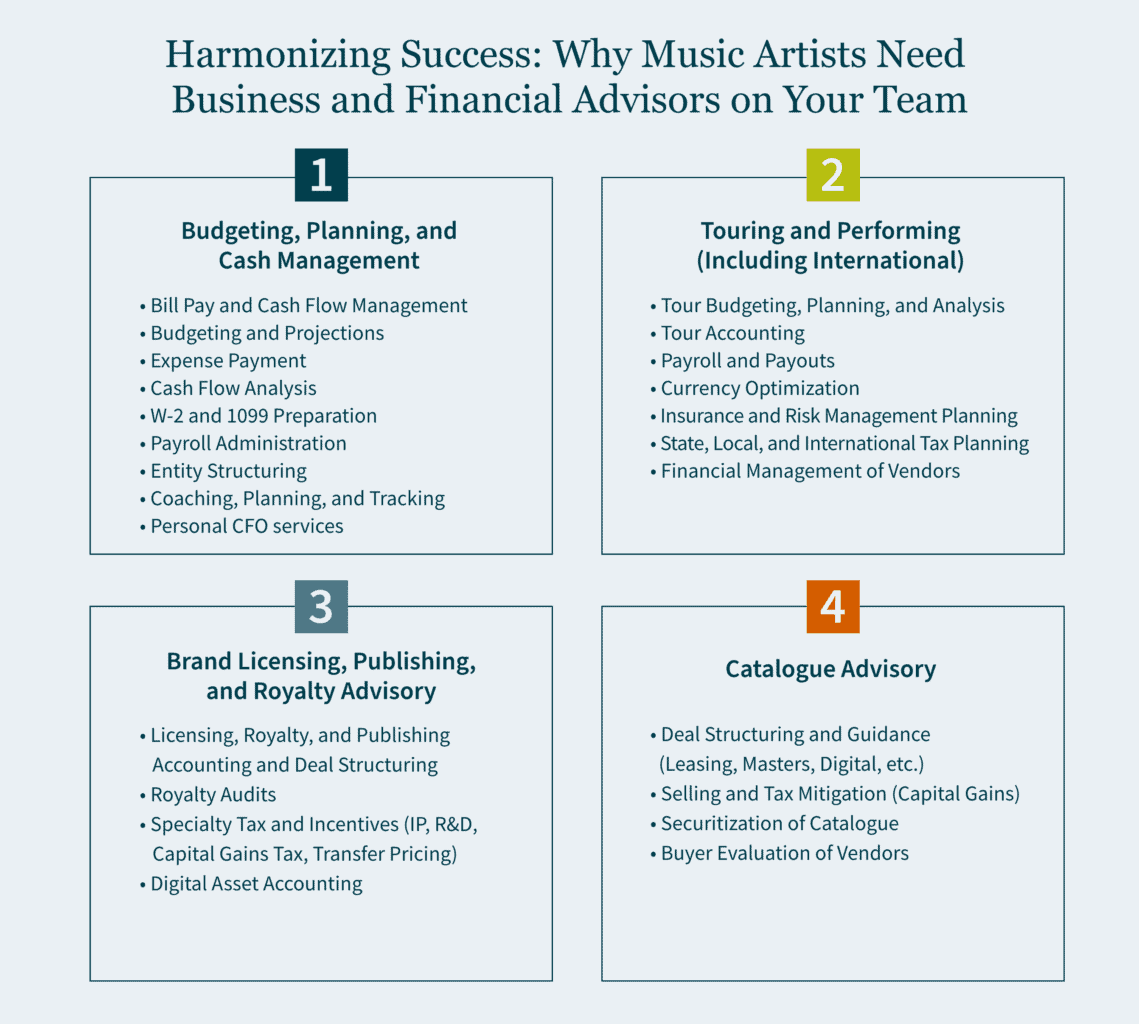
- To fully capitalize on these opportunities, artists must surround themselves with a team of expert advisors to help navigate all the financial, accounting, and business intricacies involved.
~
The journey to success in the music industry is no longer a straight line. While the path to earning substantial revenue previously only had one route — through a major label — those days are gone. The digital age has ushered in a new era, where artists have many direct pathways to their fans and an array of new revenue opportunities.
But with new opportunities comes new challenges. Today’s artists have to figure out how to navigate, manage, and optimize numerous complex revenue streams with little guidance. This is why having a trusted team of advisors is essential to ensure you are getting the most from your artistic output — both in terms of building your fan base and your financial future.
Here’s how working with a top advisor can help you transform from artist to enterprise, adept at building diverse income streams and overcoming any associated financial hurdles.
1. Live Performances: Looking Beyond the Spotlight
Live performances and touring remain pivotal for musicians to generate income. However, the financial success of a tour is not just about what you’re getting paid; it’s also about what you’re spending. That’s why meticulous planning is essential. From production costs to transportation, a trusted advisor ensures every dollar is accounted for before signing any contracts. Artists can also leverage performances for additional revenue through avenues like live streaming, behind-the-scenes access, or even concert films (i.e., Taylor Swift’s Eras Tour film). Advisors can help structure those deals to optimize the highest take-home payout.
2. Merchandising: Capitalizing on Brand Appeal
Merchandising offers a lucrative avenue to capitalize on an artist’s brand and deepen fan connections. Advisors can guide artists through various merchandising paths — from direct sales to brand collaborations to affiliations — to help them determine the best financial option. While direct sales may seem the most appealing on paper (where you might see numbers like “90% profit”), the associated responsibilities, such as sales tax management and warehousing, shipping, and staffing considerations, need careful evaluation. A seasoned advisor helps strike the right balance between profit and practicality.
3. Licensing and Sponsorships: Negotiating the Right Deal
Licensing and sponsorships have become integral to the music industry, with brands using music to sell everything from cars and sneakers to movies and fast food. Advisors play a crucial role in evaluating and negotiating these deals — ensuring you are getting fairly compensated for your name and image, and the opportunity aligns with your brand and goals. The evolving licensing landscape—with artists now able to self-publish and go through Spotify, Apple, and other platforms—has made getting licensing deals done easier. One independent artist we work with got a six-figure deal when a network went to TuneCore looking for music to use in a TV show.
4. Streaming Revenue: Making the Most of Royalties
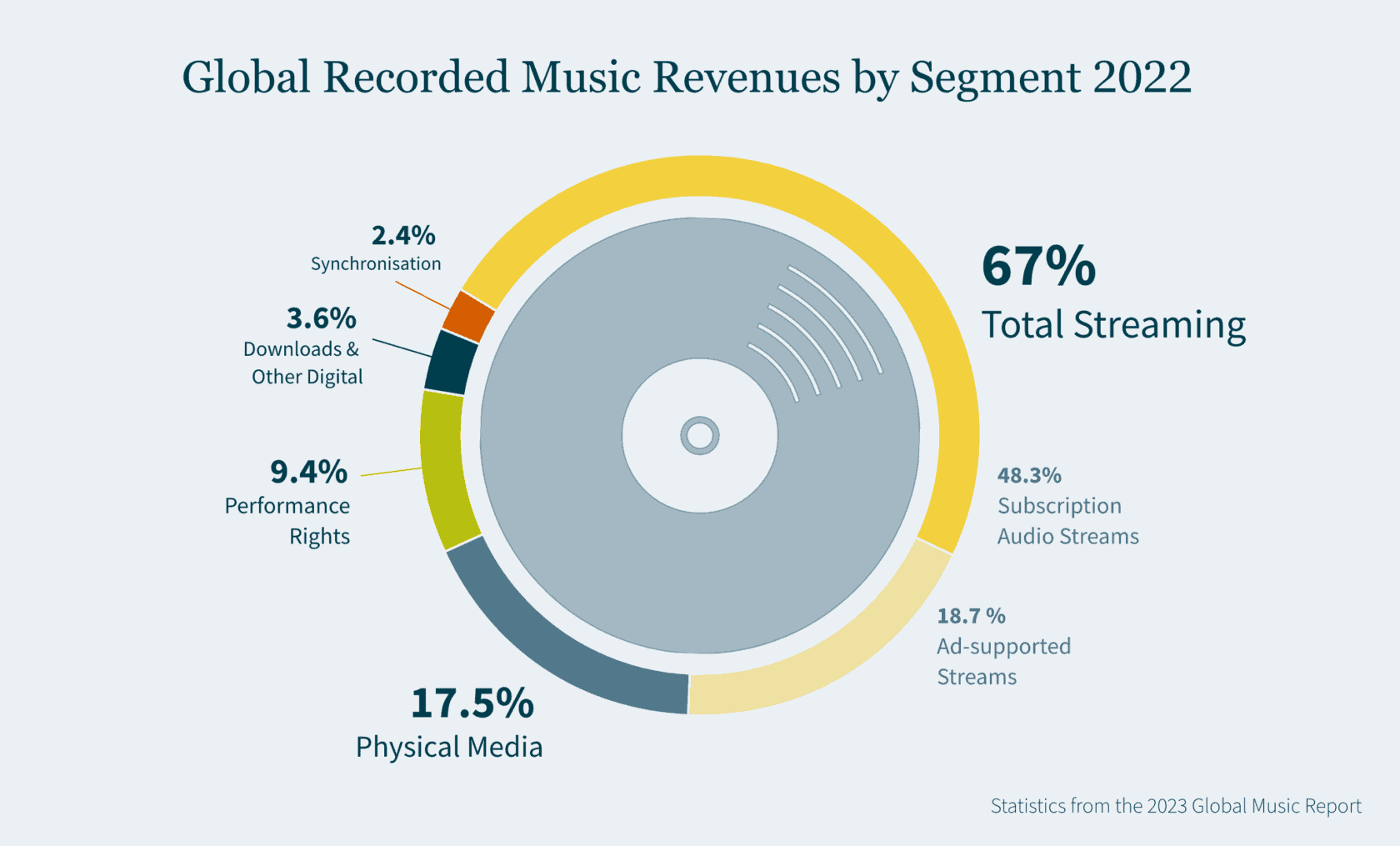
Music streaming platforms dominate the music consumption landscape today. While streaming royalties may be lower than what an artist receives from radio spins, terrestrial radio cannot touch the real-time data streaming provides (providing demographics of who is listening to your music, where they are listening, etc.). When it comes to managing streaming royalties, it pays to have a trusted advisor to track your royalties across all platforms — analyzing streaming data and royalty statements to ensure proper payment and identifying any discrepancies. Advisors also can strategize royalty planning, including estimated tax payments on royalties to avoid penalties, and help negotiate more favorable distribution deals with streaming platforms, exploring creative arrangements and exclusive partnerships.
5. Creator Content: Creating a Consistent Revenue Driver
In today’s creator economy, valued at over $100 billion, creating content is a powerful revenue stream. Many music artists are augmenting their income to the tune of six-to-nine figures a year by creating content for TikTok, YouTube, podcasts, NFTs, as well as a variety of other media and platforms. Advisors can guide you in navigating the challenges that arise from managing online content revenue — which often trickles, and then floods in, from multiple sources, and can quickly become unwieldy without a system in place to manage it. Proper financial management, including tax planning and budgeting, becomes crucial as content creation becomes a more prominent income source.
6. Catalogue Monetization: Structuring Your Ideal Sale
High-profile artists like Dr. Dre and Justin Bieber have recently sold their catalogue rights for large chunks of change. Catalogue monetization is the one time you are in complete control of your asset; you can carve out whatever deal you want (10-year, 20-year, 50%, 80%, etc.). Advisors guide artists in choosing the right partners, structuring deals, and determining the extent of the catalogue to sell. Your advisor will also help you weigh the tax considerations of collecting royalties versus selling all or some of your catalogue (royalties are taxed at 37%, while catalogue sales are taxed at 20%), and set up your sale in the most tax-efficient manner possible (for example, installment sale vs share sale). This one-time opportunity demands careful deliberation, and having the right team advising on nuances is paramount.
Building the Team Around Your Team
Moving from artist to enterprise means building a team to help you succeed. Your advisors are your team around your team. Much like a corporation brings in consultants, having seasoned business advisors available when you need them will help you make informed decisions to grow your brand and secure your financial future.
How We Can Help:
Our Entertainment, Sports, and Media (ESM) practice helps music artists at all stages, from rising stars to legends, offering financial, tax, and business management services to help you build your brand and maximize opportunities. Contact our ESM team today to learn how we can help take your music career to the next level.
- Name, image, and likeness (NIL) deals offer athletes exciting opportunities, but also potential pitfalls if not approached strategically.
- Athletes should educate themselves on taxes, carefully review contracts, and budget with long-term security in mind.
- With guidance on financial obligations, agreements, and smart money management, athletes can maximize NIL benefits while safeguarding their futures.
~
You are a talented young athlete with a growing public profile. You’ve just been offered a Name, Image, and Likeness (NIL) deal, an opportunity that can put some extra money in your pocket or even, in some cases, make a more profound impact on your financial life. It’s an exhilarating time, but it’s also crucial to approach this new chapter with the right knowledge and mindset.
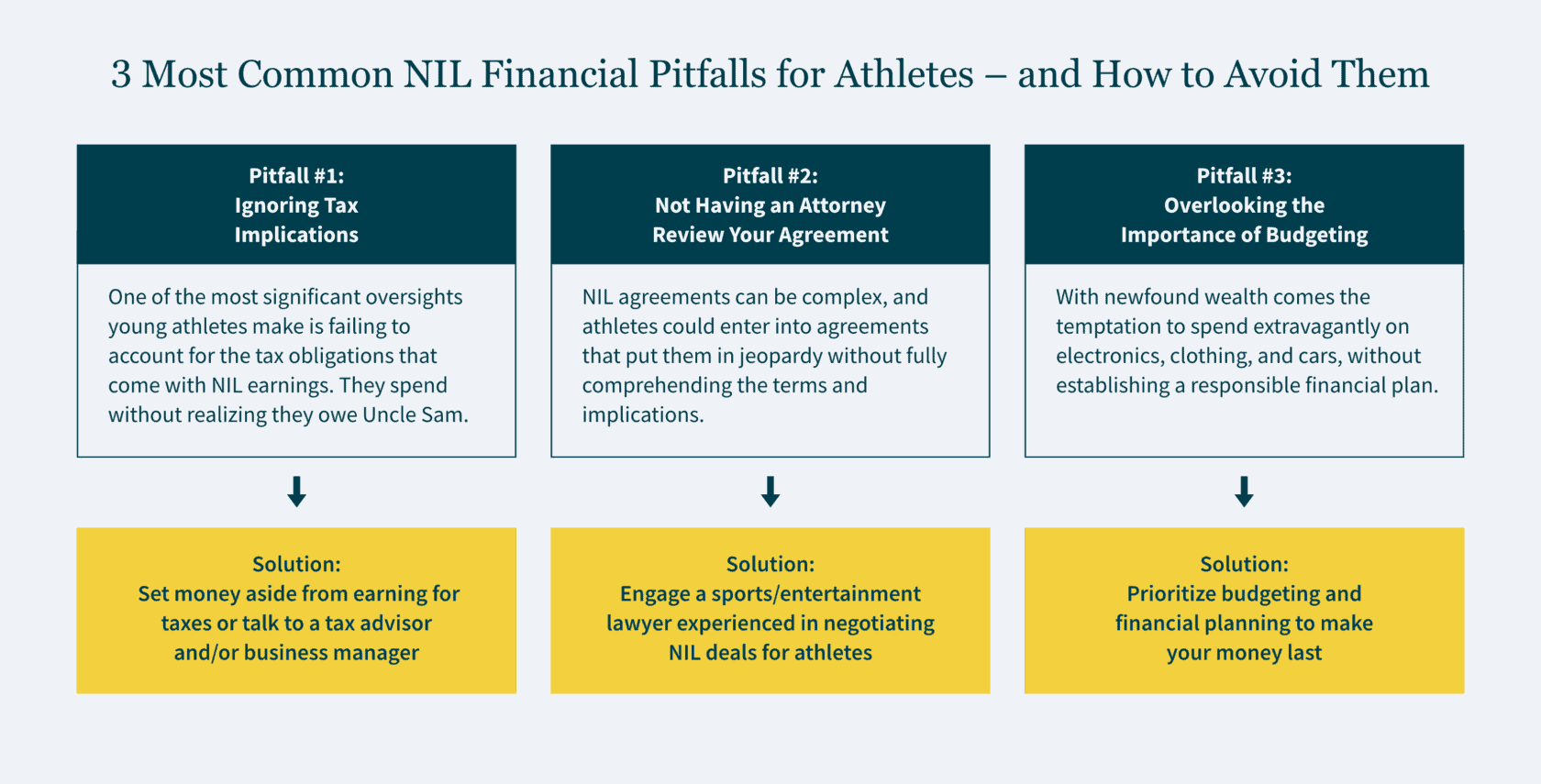
Whether you’re a college or high-school athlete, or the trusted advisor to a young athlete, here are the three most critical actions you should take to avoid common financial pitfalls associated with NIL deals.
1. Recognize Your Tax Obligation
One of the first hurdles you’ll encounter in the world of NIL deals is taxes. It’s essential to understand that the money you earn from these deals is subject to taxation. Many young athletes overlook this, often because they’ve never had to deal with taxes before.
To avoid potential financial trouble down the road, consider these steps:
- Educate Yourself: Young athletes receiving payments from NIL deals are responsible for paying taxes on that income just like professional athletes. Take the time to learn about taxes, especially how they apply to your earnings. Understanding the basics of taxation will empower you to make informed decisions.
- Consult a Tax Professional: Before signing any NIL agreement, consult with an experienced accountant, tax advisor, or business manager. They can help you calculate your tax obligations, identify potential deductions, and develop a tax strategy tailored to your situation. Along with ensuring any federal, state, and local taxes you owe are paid on time (avoiding penalties), a tax professional can also help you navigate more complex situations – such as earning income across multiple states.
- Practice Smart Spending: Resist the urge to splurge on electronics, clothes, or cars as soon as the money starts rolling in. Create a budget that considers your future tax payments, living expenses, and financial goals. Staying disciplined with your spending is key to long-term financial success.
2. Execute Agreements Cautiously
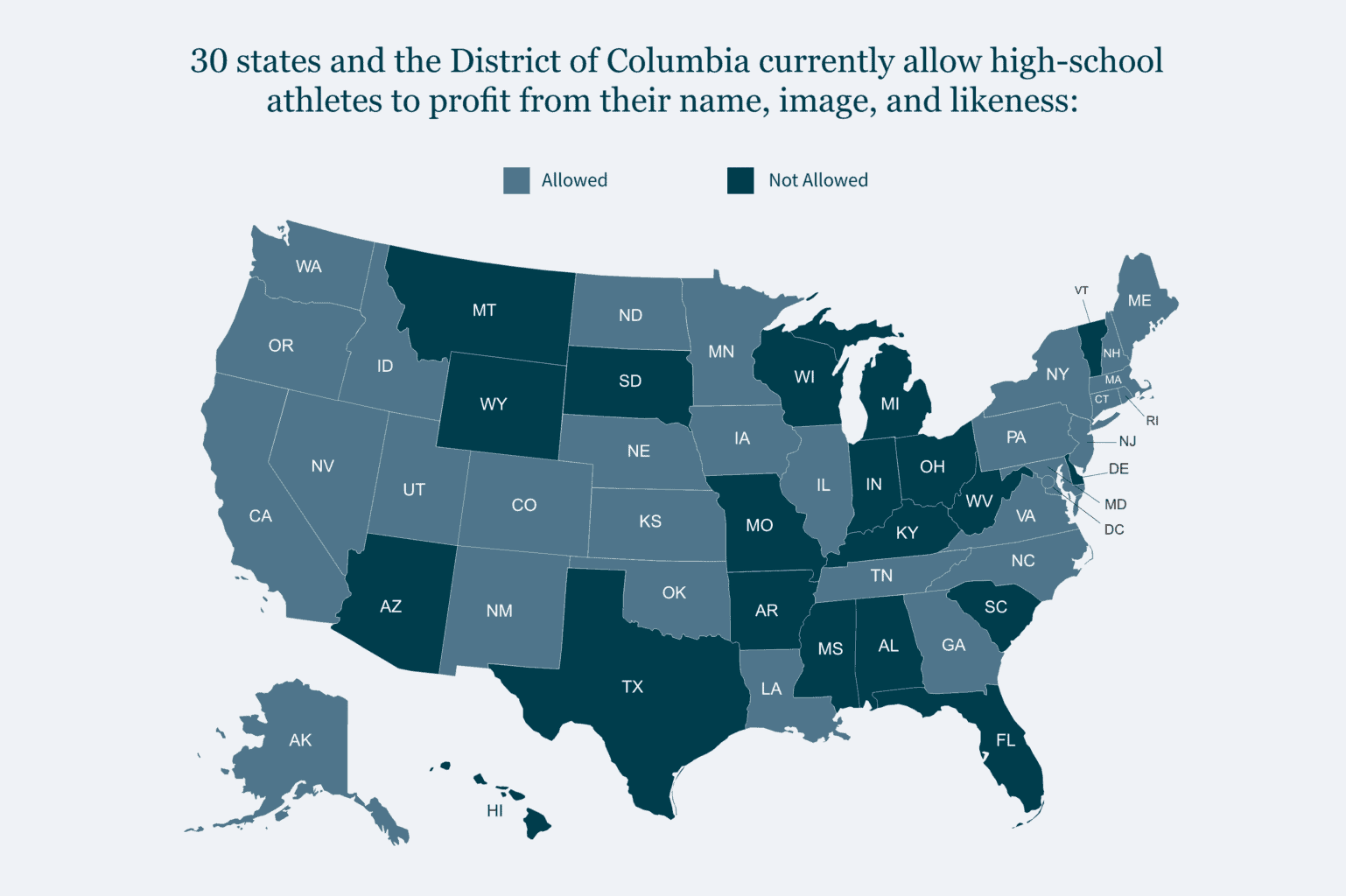
Navigating NIL deals can be tricky. There are various state laws and school policies to consider, along with a number of legal “gotchas” to avoid. Here’s how you can safeguard your interests:
- Seek Legal Advice: Before signing any NIL agreement, engage a lawyer with experience negotiating NIL and brand endorsements for athletes. An attorney with expertise in sports contracts can help you navigate the important terms in an NIL deal, such as money, exclusivity, length of the agreement, how the brand can use your name, image, and likeness, and an athlete’s delivery requirements. An experienced attorney will help you spot potential pitfalls and ensure the agreement aligns with your long-term goals.
- Beware of “Standard” or Simplistic Agreements: When someone refers to a contract as “standard” or provides an overly simplified agreement, that should throw up a red flag. All it takes is the slightest language in your agreement to give a company unfettered rights to use your name, likeness and image in ways you never intended.
- Follow Regulations: An experienced advisor will help you navigate specific laws and policies set by your state, school, and the NCAA regarding NIL deals. For example, you cannot share photos or videos in your team uniform with logos from other brands without first getting permission from your school or the brands.
3. Budget Wisely for the Long Term
While newfound wealth can be exhilarating, it’s crucial to manage your finances wisely:
- Prioritize Needs Over Wants: When it comes to spending, prioritize essential needs over extravagant wants. Understand this financial windfall may be a one-time occurrence, so focus on building a secure future rather than indulging in immediate gratification.
- Future-Proof Your Earnings: Instead of assuming this is a continuous stream of income, treat each deal as if it were your last. Create a budget that accounts for potential future earnings and uncertainties, ensuring you’re prepared for any scenario.
- Explore Tax Mitigation Strategies: Consider tax mitigation strategies, such as retirement planning and deferral opportunities, to minimize your tax burden. Consulting a financial advisor can help you explore these options.
Make the Most of Your NIL Opportunities
The legalization of NIL in college and high school sports represents an exciting shift for young athletes. It can offer game-changing money, enabling you to take care of your financial needs, along with building your brand for future growth. But with great success also comes great responsibility. Even professional athletes who’ve reached the highest pinnacles of their respective sports can end up without the financial resources they need if they don’t plan ahead.
The good news is by recognizing the potential pitfalls and seeking professional guidance early in your NIL journey, you can better position yourself for long-term financial success. Remember, it’s not just about profiting from your name, image, and likeness today, but also securing your financial future for tomorrow.
How We Can Help:
Our Entertainment, Sports, and Media practice understands the unique challenges athletes face at all stages of their financial journey. Whether you need assistance with tax planning, contract negotiations, or financial strategy, we’re here to guide you toward a successful future in the world of sports and NIL deals.
This article was co-authored by Leron E. Rogers, Partner at Fox Rothschild LLP.
]]>- Whether you want to sell all or a portion of your music catalog, doing so can be very lucrative as you seek to achieve short- and long-term financial goals.
- Some factors to consider include your catalog decay, future album aspirations, and potential collaborations with other artists, as well as the fan-artist relationship.
- There is a four-step process to deciding to sell: determine the details, know your goals, be realistic, and reach out to the professionals for guidance.
Almost weekly, we’re hearing news of artists, songwriters, and producers selling all or part of the rights to their catalogs – and for big numbers:
- Justin Bieber: $200 million
- Dr. Dre: $200 million
- Stevie Nicks $100 million
- Future: $75 million
- Metro Boomin: $70 million
Some of these sales represent entire bodies of work. Others cover portions of work over a period of years and exclude high revenue-producing albums and tracks that will continue to generate wealth for years to come.
As a CPA, CGMA, and a veteran of the music industry, my Entertainment, Sports, and Media team and I can help you understand your options and determine the best way forward for you, right where you are in your career.
You may be thinking about selling all or a portion of your catalog for any number of reasons. We work with clients who have been motivated by the financial setbacks they experienced from tour cancellations due to COVID-19 restrictions, others who have new albums or tours they will be able to fund with lump sum payouts, and those who are ready to retire and enjoy the benefits of their life’s work.
The market is still good right now for investible music rights
Whether you act on it now or consider it as an option for the future, this is a good time to give it some thought and make a realistic assessment.
Radio airplay and sync licensing, as well as streaming on Spotify, Pandora, Apple Music, and other platforms, has the potential to drive significant revenue for artists. This is especially true for the top 1% who command about 90% of the revenue generated from the platforms. It is a long game for many artists who want to achieve wealth through these channels. Artist-fan relationships that can stand the test of time and drive ticket sales, merchandise sales, and album downloads have become even more critical to long-term success.
Should you sell?
At the right level, the kind of payout a catalog sale provides can be life-changing and even have a generational impact.
If you need liquidity fast, and without strings or ties to investors, selling your catalog can be a great way to get it. You can benefit from that money all at once, and from a tax standpoint, you’re going to pay a maximum tax rate of 20% on any proceeds (capital gains tax) you make from the sale. By contrast, if you keep your catalog in place and assume you’d earn revenue on all of it via streaming, you would have those assets taxed as income at a much higher rate. It can be as high as 37% based on your income level, year-after-year.
However, sync licensing, streaming popularity, and playlist rotations don’t last forever. Music and catalogs experience “catalog decay,” or the rate at which your music declines in consumption over time. Selling while the current value is up can be a wise choice. There are exceptions, as we saw last year with Kate Bush when her 80s hit “Running Up That Hill” became the most streamed song on Spotify globally, fueled by a sync licensing deal with the hot Netflix series Stranger Things. It is impossible to predict when one of those gems will hit, but in the event of a sale, the purchaser would have benefited from those royalties.
Honestly appraise where you are in your career and your album activity
Every artist is unique with a unique set of circumstances. Let’s look at the examples mentioned above:
- Dr. Dre is 58 and his sale worth $200MM+ gave him a huge influx of cash from royalties from two of his solo albums and his share of N.W.A. artist royalties, but he still has other revenue-producing assets and is currently on tour and has years of touring and album productivity ahead.
- Metro Boomin is 29 years old and has years of creative time ahead of him with $70MM from his catalog sale.
- Future is 39 years old, and with his $75MM in catalog sales of 612 songs from 2004-2020, this still leaves him with plenty of streaming revenue from smash hits and Grammy Award winners from 2021 and into the future.
- Stevie Nicks is 74 and is now $100MM wealthier from an 80% sale of her catalog in 2020. She is still actively touring, but she has wealth if she decides to slow down and still maintains 20% of her catalog for ongoing revenue.
- Justin Bieber is 29 years old but just cancelled the international leg of his tour due to his neurological health diagnosis; he now has $200MM he can count on for life and generational financial planning regardless of how he decides to, or is able to, proceed with his music career.
Evaluate how many albums and collab projects you are interested in pursuing as well as how many tours you think you have ahead of you. If you work with other artists, or crossover into different genres, you can cultivate larger audiences and grow your fanbase beyond its current limits.
If you’re considering selling your music rights, look at this four-step process:
Step 1: Determine the details.
What rights do you actually own? How much money have those rights made you in the last three years? Knowing this could help you determine how much they’d be worth if you sold them today and it will help you place a valuation on the catalog.
Who’s the potential buyer? Is this a buy and hold type of buyer? Is this a buyer who’s going to actively work your music catalog to increase its revenue, and your popularity? We know what questions to ask potential buyers to help you make the most informed decision.
Step 2: Know your personal and professional goals.
By doing this, you can balance them against the tax implications of selling by your catalog. It is your life, and you have your own personal and professional short- and long-term goals. Whether it’s sending your first-born to college or funding your next album or multi-media project independently, you have the power to use your assets in a meaningful way to enable you to attain your goals.
Step 3: Be realistic.
If you decide to sell, understand that not all catalog sales are going to yield the kind of sales that make Billboard magazine headlines. Level set your expectations with how successful you have been over the past few years, and how much you have been earning in publishing rights and streaming.
Step 4: Begin a conversation with us.
We know musicians. We know the industry. We know music. We know taxes. And we know there are options between selling versus leasing catalogs and choices between selling all or just portions of catalogs.
We’ve got you. MGO can be a steadfast partner through every step of this process to help you make the choice that is right for you and your family now, and for generations to come.
How we can help you reach your goals with catalog sales
Your music is your life — we get that. In the end, it’s one of the greatest legacies you’ll leave behind. Connect with our Entertainment, Sports, and Media practice to determine if monetizing your music catalog is the best move for you — and how it can help you reach both your professional and financial goals on a larger scale.
About the author
Tony Smalls is the leader of our Entertainment, Sports, and Media (ESM) practice and helps culture-defining entertainers, athletes, and other high-net-worth individuals build and protect their wealth while maximizing growth opportunities in today’s fast-evolving media marketplace. He specializes in accounting, finance, tax strategy, financial planning, and analysis, financial reporting, and contract/deal negotiations, working heavily on prospective investments like live music tours.
]]>Specific scams that mask as abusive or fraudulent tax avoidance strategies to be aware of include concealing assets in offshore accounts and improper reporting of digital assets, manipulation of high-income taxpayers to file their tax returns, abusive syndicated conservation easements, and abusive micro-captive insurance arrangements. Read more to round out the annual list for the 2022 filing season.
Tips for taxpayers on emerging scams
To avoid compromising yourself with these “too good to be true” schemes, taxpayers should stay wary, as these scams adopt a wide range of communication methods, including:
- Emails
- Phone calls
- Social media posts
- Targeted online advertisements
You must also consider each source before putting any of these arrangements on your tax returns — because ultimately, you are the one responsible for what is on the return, not the promoter who reached out to you and made a promise they failed to uphold. To mitigate risk, an anxious taxpayer should turn to trustworthy tax professionals to assist with their returns.
Read on to learn about these Dirty Dozen scams targeted primarily to high-net-worth individuals who may be trying to knowingly — or unknowingly — avoid filing.
Scam #9: Concealing Assets in Offshore Accounts and the Improper Reporting of Digital Assets
We hear Switzerland is beautiful this time of year … and so do some high-net-worth individuals looking to conceal their assets in offshore accounts (and yes, that does include cryptocurrency and other digital assets). As more taxpayers look to complex international tax avoidance schemes, the IRS is more determined than ever to “protect the integrity of the U.S. tax system” by enforcing tax responsibilities.
Whether it entails offshore banks, brokerage accounts, nominee entities, employee leasing schemes, foreign trusts, structured transactions, or private annuities, all are designed to hide the true owner of an account — which is illegal, considering U.S. taxpayers are taxed on all the income they make, not just what they keep in the country. But scammers know you may not want to give up some of your hard-earned assets to Uncle Sam. So, what do they do? They sell you a convincing story: you can easily evade the government and hide your assets through digital asset holdings; they claim these are “undetectable by tax authorities.” The catch? They are definitely detectable. By believing these fraudsters, you run the risk of being criminally charged or penalized, so in the end, it is better to report your assets — yes, all of them — when you file.
Scam #10: High-Income Individuals Who Don’t File Tax Returns
Believe it or not, there are some taxpayers who choose to just … not file a tax return. And believe it or not, there are scamming professionals out there aiming to convince you this is a good idea. The IRS takes this seriously. If you are considering this option, remember the Failure to File Penalty is higher than the Failure to Pay Penalty, meaning you are better off filing an accurate, timely return (and setting up a payment plan, if you are concerned about that) rather than not filing and hoping you get out of paying whatever taxes you owe.
Scam #11: Abusive Syndicated Conservation Easements
In this scam, dishonest promoters manipulate a part of the tax law that allows for conservation easements by inflating appraisals of underdeveloped land (i.e., the guise of a real estate investment) and engaging in bogus partnerships without a business purpose. These “deals” rarely help you out; instead, they benefit the promoters, who charge high fees, and clog the tax system with fraudulent tax deductions. (In the last five years, the IRS determined billions of dollars of deductions were wrongly claimed!) And if you are caught — which, you should expect to be, because the IRS takes a microscope to every single one of these “deals” — you can expect large fines and potential time in court.
Scam #12: Abusive Micro-Captive Insurance Arrangements
A high priority for the IRS, this scam sees professionals like accountants and wealth planners convince entity owners to pay for what they believe to be insurance coverage against unlikely events, events that are already being covered, or disingenuous business needs. Complete with sky-high premiums, the abusive structure does the opposite of protecting your organization’s tax safety — it opens you up to more risk as a ”micro-captive” to these “professionals” taking advantage of you. Be on the lookout for an offshore version of this too.
Consequences of falling for a Dirty Dozen scheme
It is important for taxpayers who have already taken part in transactions like these — or those who are thinking about doing so — to consult a tax professional before claiming any tax benefits they think they are owed.
Those taxpayers who have already claimed the purported tax benefits of one of these four “Dirty Dozen” arrangements on a tax return should file an amended return and go to an independent professional for guidance. If necessary, the IRS will examine the tax benefits from transactions like the ones depicted in the list and inflict penalties related to accuracy ranging from 20% to 40%, or a civil fraud penalty of 75% on any taxpayer who underpaid.
Our perspective on the latest batch of “Dirty Dozen” scams
This is not, of course, an exhaustive list of every scam the IRS has its eye on this year. But it does include some of the more common trends. The best advice we can give? If something looks too good to be true … it probably is. Consult your tax professional for guidance and know that it is in your best interest to stay aware of these nefarious arrangements, so you do not fall susceptible to additional penalties.
And remember, you cannot hide income from the IRS!
MGO’s Tax team brings more than 30 years of experience and is well versed in reviewing your return for compliance. We also stay up to date on the risks, pitfalls, and warnings issued by the IRS so you don’t have to. If you think you have been involved in or are in the process of being involved in one of the Dirty Dozen scams, we can help. Contact us today.
]]>The warning signs that an athlete’s wealth is about to take a turn for the worse
are easy to spot – because it happens in predictable ways. Lack of experience
and betrayals of trust are enough to take down all but the strongest financial
foundations. The biggest keys are to understand it can happen to anyone, and
take the simple steps to avoid these issues.
1. The Entourage
Friends from the neighborhood can latch onto the athlete, and live the celebrity life while being a persistent drain on finances and a source of bad ideas. The athlete has promised to “take them with – out of the neighborhood/poverty,” but forgets that before they can help anyone else, they need to put the oxygen mask on first.
What to do instead: You can turn this potential risk into an asset. Take your crew out of the neighborhood, but set them up to thrive. Whether through responsible small business loans, or career training, you can rise up together.
2. The Gatekeeper
Too often a long-time friend or family member, with no financial experience or knowledge, becomes ‘The Gatekeeper’ for the athlete. This person makes bad business decisions and controls access to the athlete, ensuring no one can expose the negative consequences on the athlete’s finances.
What to do instead: You must take a careful look at who you’ve put in charge and consider whether their motivations are right, and perhaps more importantly, whether they have the skills needed to make these decisions. If one or both is lacking, go the route of #1 and help them get there, or let them go and find someone you can trust.
3. The Tantrum
When finally rewarded for the work and discipline required to become a pro, many athletes go through a phase of feeling that they deserve anything and everything. When told not to buy luxury items such as jewelry or cars, the response is – “who the hell are you to tell me what I can or cannot buy!?” Increasingly disastrous financial decisions inevitably follow.
What to do instead: This one is on you. No one will ever truly understand what you’ve endured to achieve success, but you also have to keep one foot on the ground and understand how quickly you could lose everything you’ve worked for. The best path forward is to implement a budget with room to enjoy what you’ve earned, but also has controls in place to ensure you’re building an unshakeable foundation for the future.
4. The YES Men
As soon as someone in the athlete’s camp gets fired for not agreeing with bad decisions, the professionals hired to protect their client, like the agent, business manager or lawyer, are likely to mitigate any conflict with the athlete to avoid getting fired – becoming YES Men. They would rather ride out the financial storm that is coming then tell the athlete only what they need to hear. As soon as there are only YES men around, the end is almost certainly near.
What to do instead: You must understand how getting different points of view on financial matters helps avoid financial hazards. Get into the habit of always asking your team: “What could go wrong with this financial move?” The final decision is always yours, but there is tremendous value in advisors who feel confident sharing financial knowledge and experience, even when you don’t want to hear what you need to hear.
5. Financial Myopia
Athletes can have a defective vision of their financial future. The average career span in the NFL is 3.3 years, the NBA is 4.5 years, the MLB is 5.6 years, and the NHL is 5 years. Sure they may earn a lot of money, but after paying agent’s fees, taxes, and for a luxury lifestyle, there isn’t much left to support the rest of their non-playing years. They may think that they can pull off another miracle in overcoming all odds to maintain their lavish lifestyle, but the most common result is a broke athlete.
What to do instead: Budgeting and planning are the keys here. Just remember it isn’t a “one or the other” situation. With the right mindset and approach, you can still live (relatively) large, while putting away enough to secure a future for yourself and your family. It just takes some self-control and a willingness to make the right decisions.
Final Thoughts
So many athletes come into a level of money at a young age that no one is truly prepared to handle. Athletes just have to remember that true baller status comes when athletes can live like a king for a lifetime, not just for a couple years. If an athlete can build a trusted team, establish a plan, and follow it through, a comfortable lifestyle is highly attainable.
by Louis Barajas, MBA, EA, CFP
Partner and Chief Strategy Officer at MGO Private Wealth
Advisor to The Future Game
Alternative paths to US exchanges
There are a variety of reasons companies would prefer to avoid a traditional IPO. For those entities we provide tailored solutions during the entire go public process – or portions of it – including the pursuit of alternatives such as a Regulation A+ offering and reverse mergers. We help each client find the path that’s right for their unique needs.
Bridging cultures
Our China practice has the language skills and cultural understanding to navigate market complexities. Call or contact us online to find out how we can help you.
]]>The Basics of Financial Literacy: Saving and Investing >
The Basics of Financial Literacy: Getting and Building Credit >
The Basics of Financial Literacy: Everything You Need to Know about Diversifying >
The Basics of Financial Literacy: Budget Now, Enjoy Yourself Later >
]]>Living Your Vision, Part 2: How to Create an Honest Brand for Your Present & Future >
]]>