The Governmental Audit Quality Center (GAQC) promotes the importance of quality governmental audits and the value of such audits to purchasers of governmental audit services. GAQC is a voluntary membership center for CPA firms and state audit organizations that perform governmental audits. The GASB Matters section of the GAQC site highlights key interest areas, key resources, and advocacy efforts related to state and local government engagements.
Pension-related matters
GASB Pensions: Issues & Resources page of the GAQC Web site consolidates the various resources available to practitioners to assist with understanding the new standards and developing appropriate audit strategies. This page also includes links to various whitepapers and related auditing interpretations addressing cost-sharing and agent multiple-employer plans.
Comment Letters
- September 16, 2019 comment letter on GASB’s Exposure Draft, Public-Private and Public-Public Partnerships and Availability Payment Arrangements
- September 16, 2019 comment letter on GASB’s Exposure Draft, Omnibus 20XX
- April 30, 2019 comment letter on GASB’s Exposure Draft, Leases Implementation Guide
- March 8, 2019 comment letter on GASB’s Exposure Draft, Fiduciary Activities Implementation Guide
- February 14, 2019 comment letter on GASB’s Financial Reporting Model Improvements & Recognition of Elements of Financial Statements
Prepare for grant reporting
The total distribution of government grants for Native American Tribes is estimated to be more than $31 billion. Being awarded a grant is a welcomed relief, however organizations must ensure that the proper grant accounting and compliance guidance are followed. This requires time, energy, systems, and often an increase in internal efforts. Furthermore, for some organizations initial grant awards may trigger new audit requirements and reengineering of existing accounting procedures.
Grant requirements can be complicated, so it is crucial to develop a systematic grant management program. Identify (or hire) a grant administrator to take responsibility for meeting compliance guidelines. Develop policies and procedures that outline each step in the lifecycle of a grant (application, interim reporting, and final results). Grant reporting involves many deadlines and needs consistent attention and clear communication with the granting agency. Close attention to the reporting and compliance details of the grant will make final reporting or an audit of the grant much easier. But it’s not just ease that is important, solid grant compliance and grant management is about good fiscal management, transparency, and mitigating risk. Because the consequences of noncompliance can be fines, costs to reputation, and a loss of confidence from funders.
Secure your assets against cybercrime
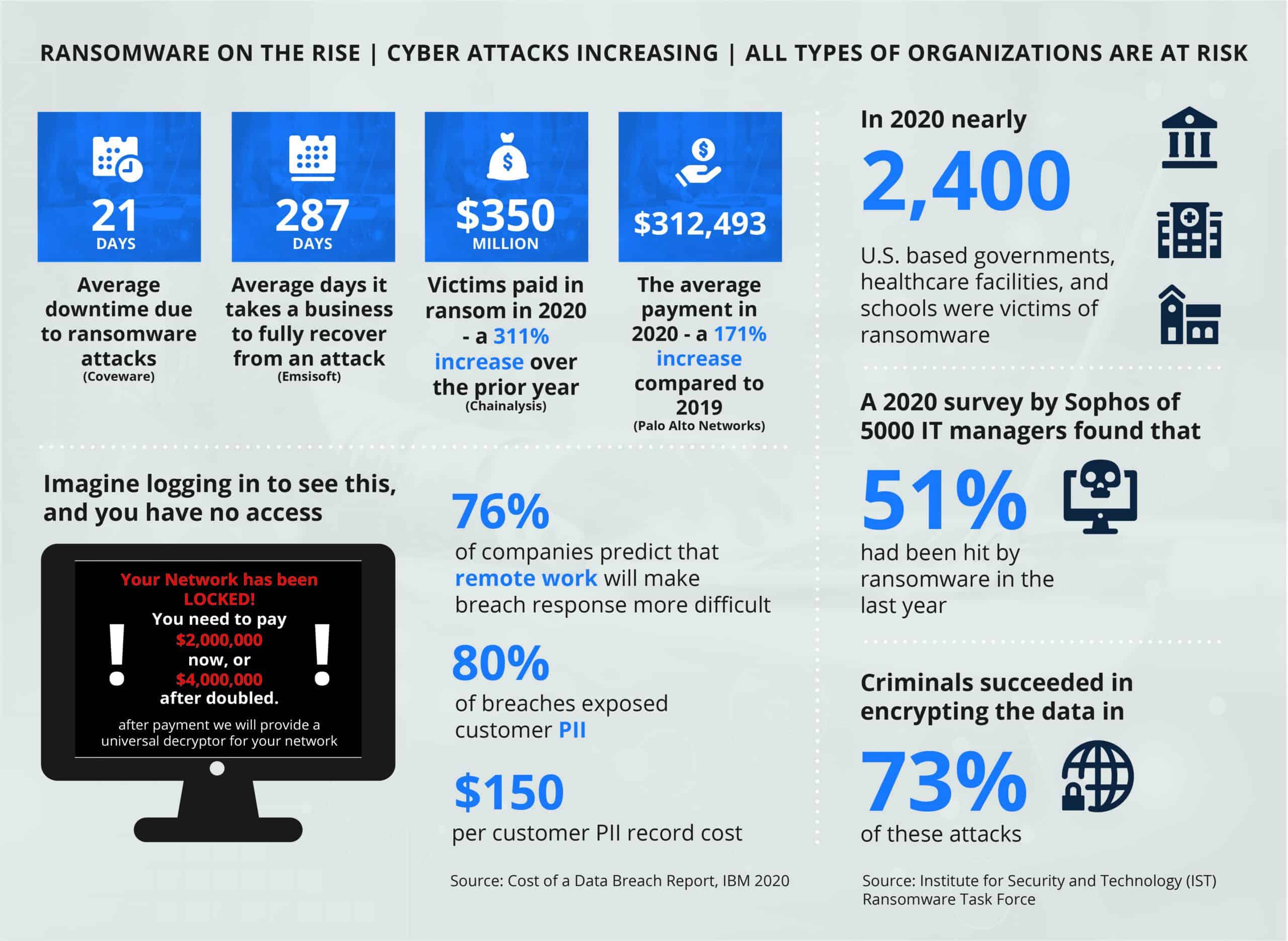
Cybersecurity should be another priority for tribal communities. Casinos and gaming organizations are high-value targets for cyber criminals because of the large quantity of Personal Identifiable Information (PII) obtained and stored on a daily basis. Casinos also have many physical and digital entry points, a variety of technology, a large workforce, multiple third- party vendors, and high frequency of high cash and payment card transactions. These components entice cyber criminals to launch large scale attacks and potentially cause expensive data breaches.
How do you protect yourself in an industry that is so ripe for cybercrime? A formal risk assessment can gather disparate pieces of information and evaluate your entire environment including the mix of digital computing platforms. This will help you prioritize the issues you need to address to build a more secure structure in which to do business. A comprehensive risk assessment will also help assess your compliance and controls and identify your full range of risk exposure.
It’s also crucial to understand what assets you have so you know what must be protected. These include more than just laptops or servers. Your cloud, web applications, and mobile devices are also at risk. Gap analysis and a penetration test can reveal the vulnerabilities in your IT environment.
Once you’ve fully identified your vulnerabilities, you can take actions to strengthen your defenses and protect your business. Ultimately, you will need to identify the leaders responsible for managing cybersecurity risks, suggesting methods and resources for mitigation, providing training, and developing an executable cyber security roadmap in order to move forward.
A diversified portfolio reduces risk
Both individuals and organizations need a diverse group of investments to spread out risk. This is not news, but frequently, the awareness of risk does not result in actions that mitigate it.
Finding the right investments takes time. A financial advisor can help you, but ultimately the decisions are yours. Do you look for high returns? Not if you are looking to balance your risk. Do you seek out the predictability of bonds? There are actually risks in that approach, too. There is no single way to mitigate risk, but examining your current investments is a good place to start before evaluating new ones.
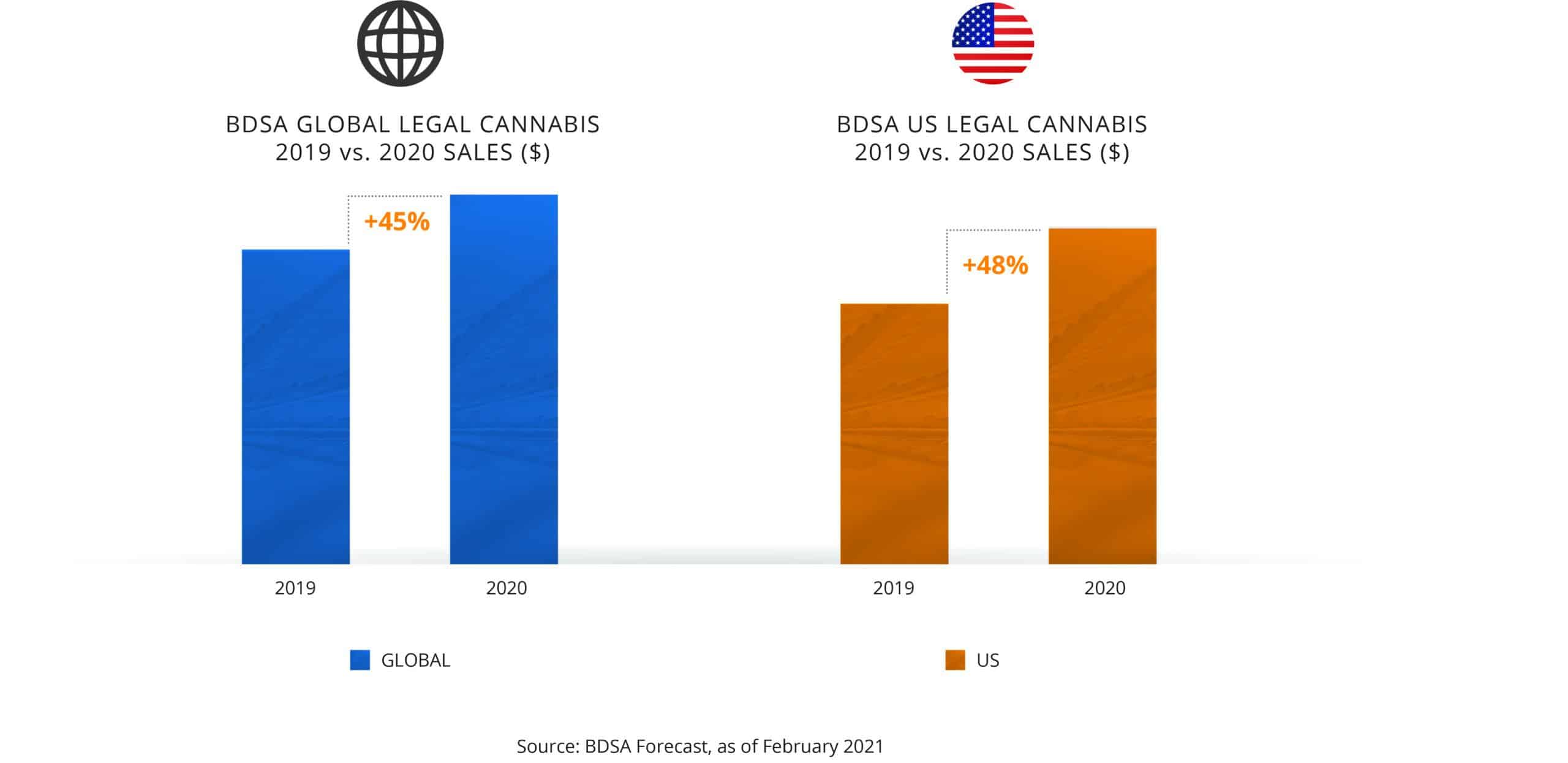
When it comes to diversifying your portfolio, take your time to do the due diligence. For instance, the cannabis industry is one of the fastest-growing industries in the world. It will generate an estimated $146.4 billion by 2025, according to Grand View Research. Does that make it the right opportunity for you? To find the answer, you need to dig deeper.
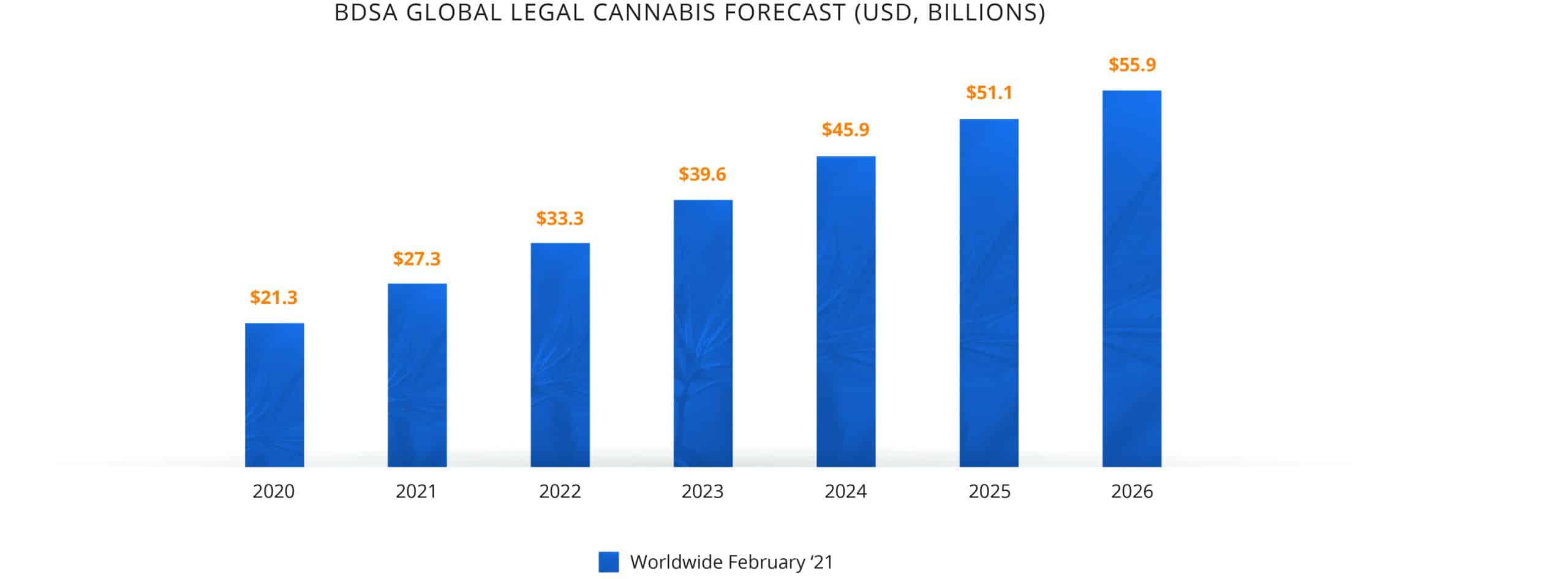
The industry is still in its early stages of growth, and this can work in your favor. Your investment could grow quickly, but regulations and licensing can be complicated for an emerging industry. Cannabis may be an exciting and profitable business to get involved in, but that doesn’t mean it is it the right investment for your particular portfolio. If you are trying to mitigate risk, does this investment really accomplish that? Do you already have a high-growth investment? Are there stigmas associated with cannabis that you might want to avoid? Are there compliance issues that could be more of a headache than investing in a more mature industry?
An investment in cannabis may not be a simple decision. Like many industries, you can also decide how deeply you want to invest — and there are risks at each level. An investor could focus on cultivation, manufacturing, retail, or the development of a vertically integrated cannabis operation. The unique sovereignty of Tribal nations even creates potential for leasing Tribal land to cannabis cultivators or aspiring cultivators without land to grow.
Like any investment, due diligence is key to risk mitigation. If you understand the industry you are investing in, you will understand your investment’s impact on your portfolio. And remember, when considering risk, your focus should be on your overall portfolio, rather than the intriguing possibilities of the industry or the certainty of returns.
How we can help
Tribal leadership is facing unique challenges. More than ever, sound due diligence and risk mitigating practices must be an integral part of decision making. MGO’s professionals have helped Tribes develop frameworks for grant management, cybersecurity, and economic diversification that facilitate the decision-making process for council members.
]]>In the following, we highlight how the bill will affect Tribal governments, and detail additional funding opportunities for Native American communities.
American Rescue Plan Act of 2021: Impact on Tribal governments
During the COVID-19 pandemic, Tribal governments and health systems have been stretched to the breaking point. The American Rescue Plan does a lot to address this looming crisis by delivering over $32.4 billion in funding that will go directly to Tribal nations and numerous health programs that benefit Native communities. The bill also includes a number of historic firsts that respect Tribal sovereignty, including:
- Direct access for Tribal members to the Small Business Credit Initiative
- Equal access to Medicaid reimbursement resources for Native healthcare providers
- Dedicated resources protecting Native languages and cultures
Much of the relief funding is allocated and disbursed automatically using metrics that include population, economic conditions, and unemployment rates. While each program has different disbursement details, broadly speaking, payments are delivered in two or more installments, the first coming within a 60-day window following the bill becoming law, and future installments in 2022 and beyond.
Other programs will require Tribal authorities to apply for grants based on specific needs.
Key provisions of the American Rescue Plan of 2021 affecting Tribal governments
Coronavirus State Fiscal Recovery Fund
$20 billion for federally recognized tribal governments (excluding Alaska Native Corporations) to combat COVID-19 and stabilize Tribal community safety-net programs:
- First $1 billion will be split evenly among the 574 federally recognized tribal governments with each tribal government receiving approx. $1.74 million.
- The remaining $19 billion to be allocated among the 574 federally recognized tribal governments based on tribal population and other factors to be determined by the U.S Treasury.
Coronavirus Capital Projects Fund
$100 million available for tribal governments to support critical capital projects directly enabling work, education, and health monitoring in response to COVID-19:
- Tribal governments and the state of Hawaii receive $100 million to be split among them evenly of no less than $50,000 per entity.
NOTE: The Treasury Department will establish an application process for grants from the fund within 60 days of enactment of the law.
Local Assistance and Tribal Consistency Fund
$500 million for eligible tribal governments.
Eligible tribal governments will receive $250 million allocated based on each eligible Tribe’s economic conditions for FY 2022 and 2023, respectively.
NOTE: Payments from this fund may be used for any governmental purpose other than a lobbying activity.
Additional Tribal Government Programs
Indian Health Service and Native Hawaiian Health Care Systems
$6 billion to be allocated to the Indian Health Service and Native Hawaiian Health Care Systems
Indian Health Service
- $2.340 billion for COVID-19 vaccines, testing, tracing, mitigation, and workforce expenses
- $2 billion for lost third-party medical billing reimbursements
- $600 million for health facility construction and sanitation programs
- $500 million for clinical health services and Purchased/Referred Care
- $420 million for mental and behavioral health
- $140 million for improving health IT and telehealth access
- $84 million for Urban Indian Health Programs
- $10 million for potable water delivery
Native Hawaiian Health Care Systems
- $20 million set-aside for Papa Ola Lōkahi and the Native Hawaiian Health Care Systems
Bureau of Indian Affairs Programs
$900 million to be allocated as follows:
- $772.5 million for Tribal government services (i.e., general welfare assistance, assistance to Tribal governments, public safety, child welfare)
- $100 million for the Housing Improvement Program
- $20 million for potable water delivery
- $7.5 million for administrative costs and oversight
HUD Tribal & Native Hawaiian Housing Programs
Sec. 3206 and Sec. 11003
$1.248 million to be allocated as follows:
- $498 million Tribal set-aside within Treasury’s Homeowners Assistance Program for Tribes and Native Housing Programs
- $450 million for the Indian Housing Block Grant
- $280 million for the Indian Community Development Block Grant
- $15 million for technical assistance, administrative costs, and oversight
- $5 million for the Native Hawaiian Housing Block Grant
- $5 million for administrative costs and oversight
Native Languages
$20 million for a new emergency Native language preservation and maintenance grant program through the Administration for Native Americans.
Native Education Programs
Sec. 2003, Sec. 11005, Sec. 11006
$1.1+ billion for Native education programs, including Bureau of Indian Education schools, Tribal education agencies, Tribal colleges and universities, Native Hawaiian education programs, and Alaska Native education programs allocated as follows:
- $850 million for Bureau of Indian (BIE) education programs, BIE K-12 schools & dormitories, and Tribal Colleges and Universities
- $190 million for Department of Education grants to Tribal Education Agencies, Native Hawaiian education organizations, and Alaska Native education organizations
- $142+ million for Tribal Colleges and Universities through the Higher Education Emergency Relief Fund
- $89+ million for Native-serving institutions of higher education, including Alaska Native and Native Hawaiian serving institutions, through the Higher Education Emergency Relief Fund
Native Families
Sec. 1006, Sec. 2201, Sec. 2202, Sec. 2203, Sec. 2205, Sec. 2601, Sec. 2912, Sec. 2921, Sec. 3401, Sec. 9201, Sec. 9801
Over $1 billion to be allocated as follows:
- $20.2 million to tribal colleges and universities
- $1.072 billion for Tribal child care programs and support
- $400 million for child care assistance programs
- $75 million for Tribal TANF grantees to provide assistance to families in need through the Pandemic Emergency Assistance Fund
- $25.4 million for Head Start
- $2.5 million for child abuse prevention and treatment
- $20 million for community health centers
- $15 million for water assistance program
- $25 million for supporting Native elders
- $35 million for tribal transit agencies through the rural areas formula grants and discretionary grants
State Small Business Credit Initiative
$500 million to be allocated to tribal governments as follows:
- Based on employment and economic data, Tribes can participate for the first time in the Treasury’s State Small Business Credit Initiative
Programs for Violence Survivors
$19 million for Native communities’ efforts to combat domestic violence allocated as follows:
- $18 million for Tribal awardees through the Family Violence Prevention & Services Act
- $1 million for “Stronghearts” Native Domestic Violence Hotline
Final thoughts
With billions of dollars in aid becoming available to Tribal government agencies, the use of these funds is going to be tracked very closely by federal regulators. If you have any questions about how funds can be utilized, and how to track and report this use, MGO’s dedicated State and Local Government team can help. Contact Us
]]>That all changed on March 11, when President Biden signed the American Rescue Plan Act of 2021 into law. The bill allocates $432 billion in direct financial support to U.S. territories, states, and local and tribal governments. In the following, we highlight how the bill affects state, local, and Tribal governments, and breakdown the details of key provisions.
American Rescue Plan of 2021: Impact on State, Local and Tribal Governments
The American Rescue Plan of 2021 contains wide-ranging programs designed to support state, local, and Tribal governments through the financial crises resulting from the COVID-19 pandemic. These include active support for COVID-19 response and planning, funds for in-state capital improvement projects, emergency housing support, and much more.
Much of the relief funding is allocated and disbursed automatically using metrics that include population, economic conditions, and unemployment rates. While each program has different disbursement details, broadly speaking, payments are delivered in two or more installments, the first coming within a 60-day window following the bill becoming law, and future installments through 2022 and beyond.
Other programs will require state and local authorities to apply for grants based on specific needs.
One of the highlights of the revised funding and plan is looser restrictions on how funds from the Coronavirus State Fiscal Recovery Fund can be utilized. The accepted uses include:
• Funding government services that have been curtailed due to decreases in tax revenue caused by the pandemic.
• Aid to households, small businesses and nonprofits, and impacted industries like tourism, hospitality and travel.
• Making “necessary investments” in water, sewer, or broadband infrastructure.
While potential uses have been broadened, all programs require stringent rules for intended use, tracking and reporting.
Highlights of the American Rescue Plan of 2021
Coronavirus State Fiscal Recovery Fund
50 States and the District of Columbia receive $195.3 billion in aid:
- $25.5 billion will be split evenly among each state and the District of Columbia, with each state and the District of Columbia receiving $500 million in aid.
- $168.55 billion distributed based on each state’s share of total unemployed workers over the period of October 2020 to December 2020.
- District of Columbia receives additional $1.25 billion.
- Tribal governments receive $20 billion (further discussion to come).
- U.S. territories receive $4.5 billion.
- U.S. Treasury receives $50 million to cover costs of administration of the fund.
Coronavirus Local Fiscal Recovery Fund
Local governments to receive $130.2 billion in aid to be split among counties, metropolitan cities, and non-entitlement units of local government:
- Counties receive $65.1 billion in population-adjusted payments, with additional adjustments for Community Development Block Grant (CDBG) recipients.
- Metropolitan cities receive $45.57 billion.
- Non-entitlement units of local government receive $19.53 billion, distributed by individual states and funded by the U.S. Treasury. Each jurisdiction receives population-adjusted payments based on such jurisdiction’s share of the state population.
Coronavirus Capital Projects Fund
$10 billion available for states, territories, and Tribal governments to support critical capital projects directly enabling work, education and health monitoring in response to COVID-19:
- Each state receives $100 million.
- U.S. territories receive $100 million to be split among them.
- Tribal governments and the state of Hawaii receive $100 million to be split among them.
- Remainder of funds to be allocated to states based on population.
NOTE: The Treasury Department will establish an application process for grants from the fund within 60 days of enactment of the law.
Local Assistance and Tribal Consistency Fund
$2 billion for eligible revenue-sharing counties and tribal governments:
- Eligible revenue-sharing counties will receive $750 million allocated based on economic conditions for each FY 2022 and FY 2023.
- Eligible tribal governments will receive $250 million allocated based on economic conditions for each FY 2022 and FY 2023.
NOTE: Payments from this fund may be used for any governmental purpose other than a lobbying activity and will remain available until September 30, 2023.
Other State, Local, and Government Funding Sources
Additional federal government programs have received funding earmarked to support recovery efforts in states, Tribes, and territories. These funds can be applied for via grant applications depending on each government agency’s circumstances.
Homeowner Assistance Fund
$10 billion allocated to states, territories, and tribes through grants to prevent homeowner mortgage defaults, foreclosures, and displacements.
Funds may be used to reduce mortgage principal amounts, assist homeowners with housing payments and other aid needed to prevent eviction, mortgage default, foreclosure, or the loss of utility services.
Funds may also reimburse state and local governments that have provided similar assistance since January 2020.
Each state, along with the District of Columbia and Puerto Rico, will receive at least $50 million. Additional amounts will be set aside for other U.S. territories and tribes.
States, territories, and Tribes receiving funding will have to set aside at least 60% of their allocation to assist homeowners who make less than 100% of the local or national median income.
Homelessness Assistance and Supportive Services Program
$5 billion allocated to state and local governments to provide supportive services for homeless and at-risk individuals. Permitted fund uses include tenant-based rental assistance, housing counseling and homeless prevention services, and acquiring non-congregate shelter units.
Low-Income Home Energy Assistance Program (LIHEAP) and Water Assistance Program
$4.5 billion allocated to fund the LIHEAP program, and $500 million provided in state grants to assist low-income households with drinking water and wastewater services.
FEMA Disaster Relief Fund
$50 billion to reimburse state and local governments for the costs of ongoing COVID-19 response and recovery activities, and other emergencies.
Funding to remain available through FY 2025.
Final thoughts
With billions of dollars in aid becoming available to state, local and tribal government agencies, the use of these funds is going to be tracked very closely by federal regulators. If you have any questions about how funds can be utilized, and how to track and report this use, MGO’s dedicated State and Local Government team can help. Contact Us.
]]>California and other states seeks healthcare support
On March 30th, California signed into effect EXECUTIVE ORDER N-39-20, allowing the California healthcare industry to increase the number of doctors, nurses, and facilities to treat the COVID-19 pandemic. According to the order, California’s anticipated surge of infections “requires a temporary adjustment of its staffing, health, and safety standards for health providers and health facilities.” California’s healthcare standards are among the most stringent in the nation. Due to these rigorous regulations, numerous professionals are unable to satisfy the licensing requirements. This in turn creates a domino effect that begins with failed applicants and ends with a shortage of workers.
Tribal healthcare systems could play a significant role in providing that needed support
Due to these statewide shortages, a possible temporary solution is available; Tribal Healthcare Systems. Many Tribal nations throughout the country have developed and utilized Tribal healthcare clinics, pharmacies, and first responder services for years to support not only their own communities but the communities surrounding them. Plus, there is potential to lease tribal facilities in case of an emergency. As we work together as a community, the utilization of tribal resources could be the additional outlet needed in the community to continue the fight against COVID-19.
Benefits from a tribal viewpoint
As social distancing continues and virtually all activities throughout the US are slowly coming to a halt, so are the profits for many businesses. However, EXECUTIVE ORDER N-39-20, may assist Tribal communities by realizing revenue by fulfilling the urgent need to bridge the healthcare gap in this moment of crisis by providing clinical, pharmaceutical or first responder services to surrounding communities in need and/or as determined appropriate.
Additionally, space to house sick patients, as well as examine new ones, is becoming scarce. Through this executive order the state has provided the Director of the Department of Developmental Services with the authority to enter into a lease, lease-purchase, or lease with option to purchase, any real or personal property, residences, facilities and necessary equipment, goods or services to serve individuals in need. These leases can be expedited per the order and can remain in effect as long as necessary to address the COVID-19 crisis.
Though not all clinic personnel may have all the necessary qualifications or required experience, this temporary order has enabled individuals who are legally capable and have the ability, to assist in these dire times. Additionally, these “temporary personal” would then return to their normal status at the conclusion of the executive order.
~
While we’ve used California as an example, state legislations across the nation are doing what they can to supplement and support their strained healthcare systems. No community has not been touched by this crisis, and nobody can say with absolute certainty when the COVID-19 pandemic will end. As a result, businesses and communities will need to be creative with how they create new revenue streams. Uniting the interests of Tribal Nations and their surrounding communities in an effort to provide desperately needed healthcare capabilities could potentially benefit everyone.
Such deals will require careful negotiation of terms and usage rights, and tribal health facilities will need to manage regulatory compliance and make operational adjustments to mitigate risk. The MGO Advisory Practice has a comprehensive suite of offerings, from management consulting and governance, risk and compliance services, to transaction advisory and forensic accounting support, that can assist in navigating and optimizing these opportunities. To schedule a consultation, please reach out to us.
]]>Initially this particular attack appeared to be an insider threat as it originated internally when an employee logged into the travel network, deploying the ransomware that infected all Tribal systems.
A few days later an investigation confirmed that the attack was an inside job perpetrated by a Tribal member and former IT employee who was then charged with felony tampering with public records and felony obstructing government functions.
This incident raises concerns about your own systems and their vulnerability to insider threats and ransomware. Tribes are especially vulnerable as they often operate multi-million dollar enterprises, managing economies that rival those of foreign nations. Having said that, even Tribes that don’t operate on that scale need to be cognizant of these risks and prepare for the potential threats.
Prevention is a strong part of any strategy.
In order to help prevent insider threats, here are five tips:
- Know and protect your critical assets.
- Develop a formalized insider threat program.
- Clearly document and consistently enforce policies and controls.
- Deploy solutions for monitoring employee actions and correlating information from multiple data sources.
- Incorporate malicious and unintentional insider threat awareness into periodic security training for all employees.
In order to help prevent ransomware attacks, here are five tips:
- Do not pay the ransom.
- Ensure you have backups that are tested regularly and sent offsite.
- Establish a cybersecurity training program that trains your employees how to identify phishing and social engineering tactics.
- Use reputable antivirus software and firewalls.
- Ensure all software is kept up to date.
MGO Technology Group recommends a multi-layered security approach and has a dedicated team of cyber and information security professionals that can create a custom program for small or large tribes to improve your security posture.
Learn more about us.
Definitions
An insider threat is a malicious threat to an organization that comes from people within the organization, such as employees, former employees, contractors or business associates, who have inside information concerning the organization’s security practices, data and computer systems.
Ransomware is a type of malicious software designed to block access to a computer system until a sum of money is paid.
]]>Currently, cannabis is one of the fastest-growing industries in the world, on the way to generating an estimated $146.4 billion by 2025 (according to Grand View Research). The industry is currently in its early-stages, which can mean that even modest investments now could greatly increase in value 5, 10 or 20 years down the road. As the industry finds its footing on a global scale new investment opportunities emerge every day.
Cannabis does carry lingering social stigmas that may keep investors away. Yet the plant itself is only one facet of a diverse industry that includes everything from “plant-touching” companies to “ancillary” businesses that support the cannabis industry. The following are some of the opportunities tribes and other private investor groups are exploring.
Creating Native-owned cultivation, manufacturing and/or retail operations
As the wave of legalization has slowly but steadily swept across the U.S., the unique sovereignty of Tribal nations has created potential for cannabis business opportunities in communities located in states where recreational-use and/or medicinal cannabis has been legalized.
Investments of this type can take many forms, whether focusing on cultivation, manufacturing, or retail, or the development of a vertically-integrated cannabis operation. This path gives the Tribe complete control over the business.
Leasing Tribal land to cannabis cultivators
In many areas of the country, there are far more aspiring cultivators than there are locations where they can grow. As a result, an emerging trend is the rise of cultivation facilities established by real estate groups or private businesses, which are then leased to cannabis cultivators.
A Tribe looking to invest in cannabis could identify open land or create a greenhouse/indoor cultivation facility that can then be leased to cultivators looking for space. This is an ideal option for Tribal leadership that may not want to take on the operational and legal complexities of cultivating cannabis, but can still benefit from an investment supporting the industry.
Private investment opportunities in cannabis
In recent years a number of leading cannabis companies have gone public, primarily on stock exchanges in Canada, and with a select handful of listed on the NYSE and NASDAQ. The best-in-class producers and retailers represent an intriguing option for private investors. Standard due diligence for purchasing shares of a public company apply equally to the cannabis industry.
Additionally, a number of ancillary companies, those serving the cannabis industry through technology, real estate, or other services, have also gone public and represent a potential investment option. A diverse portfolio that includes a balanced mix of “plant-touching” and “ancillary” businesses could be a low-risk entry into the cannabis industry.
Institutional investment opportunities
As a fast-growing global industry, many cannabis companies are actively searching for capital infusions to expand operations, fund research, launch new products, or enter new markets. There is heated competition for both private venture capital investments, and for institutional investments in newly public cannabis and cannabis-related companies.
Tribal leadership can consider establishing, or investing in, a private equity or venture capital firm and act as an incubator for emerging cannabis businesses. Establishing a fund in conjunction with the other options listed previously could produce a robust cannabis portfolio.
Considering hemp and CBD
While cannabis legalization gets headlines, related products like hemp and CBD are quietly establishing themselves as intriguing industries on their own. The path for growing industrial hemp has recently been opened by federal legislation and the uses of the product are endless. Similarly, CBD has launched a holistic medicine craze, is in great demand for a wide variety of products, and can be derived from non-cannabis sources.
If a Tribe chose to explore hemp and CBD as investment opportunity, they could follow any of the paths illustrated previously and swap out cannabis for hemp or CBD.
Finding the investment mix for your Tribe
The options provided above are just a sample of the opportunities available to investors. There are risks involved with any investment, and cannabis’ complex legal status creates further complications. As result, many traditional investors have been slow to move into the space. But for proactive investor groups, now is the time to get an early foothold in what will soon be a multi-billion dollar global industry.
]]>